

Introduction
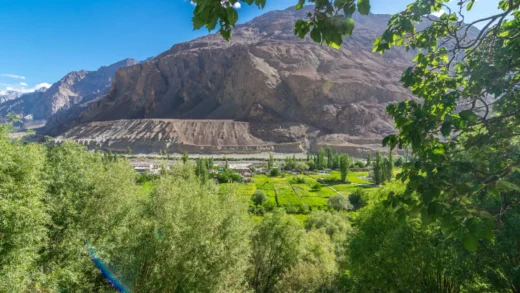
Nestled amidst the dramatic landscapes of Nubra Valley, Samstanling Monastery is one of the most peaceful and culturally significant monasteries in Ladakh. Surrounded by green fields, apricot orchards, and towering mountains, this Buddhist Monastery in Ladakh offers visitors a unique blend of spirituality, history, and natural beauty.
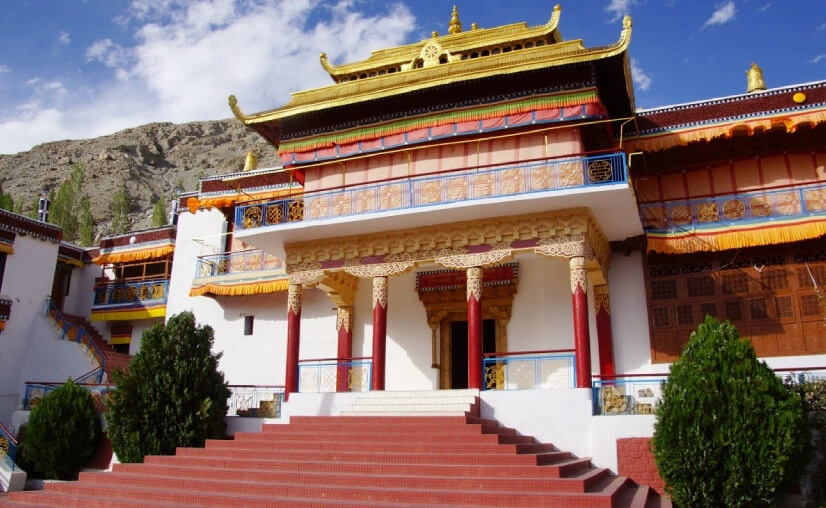
Unlike some of Ladakh’s larger monastic complexes, Samstanling Monastery provides a quieter and more intimate experience. Its vibrant murals, ancient statues, and active monastic community make it an essential stop for travelers exploring Nubra Valley. Whether you are interested in Buddhism, photography, or cultural exploration, Samstanling Monastery deserves a place in every Ladakh Travel Guide.
| Details | Information |
|---|---|
| Location | Sumur Village, Nubra Valley, Ladakh, India |
| District | Leh District |
| Altitude | Approximately 3,100 meters (10,170 feet) |
| Founded | 19th Century (around 1841) |
| Buddhist School | Gelugpa (Yellow Hat Sect) |
| Founder | Lama Tsultim Nima |
| Best Time to Visit | May to September |
| Entry Fee | Usually Free (Donations Welcome) |
| Timings | 7:00 AM – 6:00 PM |
| Photography Rules | Allowed in most outdoor areas; permission may be required inside temples |
| Nearby Attractions | Sumur Village, Panamik Hot Springs, Yarab Tso Lake, Diskit Monastery |
| Distance from Leh | Approximately 120 km |
History of Samstanling Monastery
Founding History
Samstanling Monastery was established during the 19th century by the respected Buddhist teacher Lama Tsultim Nima. The monastery was founded to strengthen Buddhist teachings in Nubra Valley and serve the spiritual needs of local communities.

 6°C
6°C
- Temperature
- Rain Chance
- Wind


Founder and Lineage
The monastery belongs to the Gelugpa tradition of Tibetan Buddhism, the same school associated with the Dalai Lama. Lama Tsultim Nima played a crucial role in expanding Gelug teachings throughout northern Ladakh.
Important Historical Events
Over the years, Samstanling Monastery has survived harsh winters, political changes, and environmental challenges. It gradually grew into one of the most influential monasteries in Nubra Valley, attracting monks and pilgrims from surrounding villages.
Role in Ladakh’s Buddhist Heritage
The monastery serves as a center for Buddhist education, meditation, and religious ceremonies. It preserves traditional teachings and contributes significantly to Ladakh Tourism by showcasing the region’s rich spiritual heritage.
Legends and Folklore
Local legends speak of sacred blessings bestowed upon the site before construction began. Some villagers believe protective mountain spirits guard the monastery and ensure the prosperity of nearby settlements.
Architecture and Design
Exterior Architecture
The monastery stands atop a small hill overlooking Sumur Village. Its whitewashed walls, golden rooftops, and colorful prayer flags create a striking contrast against Ladakh’s rugged terrain.
Prayer Halls
The main prayer halls are adorned with intricate wooden pillars, ceremonial banners, and rows of prayer cushions used during religious gatherings.
Ancient Murals
The walls feature beautifully preserved murals depicting Buddhist teachings, mandalas, protector deities, and scenes from the life of Buddha.
Thangkas
Several sacred thangkas are displayed throughout the monastery. These religious paintings are used during ceremonies and festivals.
Statues
Visitors will find impressive statues of:
- Buddha Shakyamuni
- Tsongkhapa
- Avalokiteshvara
- Maitreya Buddha
- Various protector deities
Monastery Layout
The monastery consists of:
- Main assembly hall
- Residential quarters for monks
- Meditation rooms
- Courtyards
- Shrines
- Storage areas for sacred texts
Unique Artistic Elements
The monastery is renowned for its vivid colors, detailed murals, and traditional Tibetan artistic motifs that reflect centuries-old craftsmanship.
Restoration Efforts
Periodic conservation projects help preserve the murals, statues, and structural integrity of the monastery while maintaining its historical authenticity.
Religious Significance
Buddhist Traditions Practiced
Samstanling Monastery follows the Gelugpa school of Tibetan Buddhism, emphasizing discipline, study, meditation, and monastic education.
Important Deities
The monastery venerates:
- Buddha Shakyamuni
- Tsongkhapa
- Avalokiteshvara (Chenrezig)
- Tara
- Mahakala
Spiritual Importance
For local Buddhists, the monastery serves as a major spiritual center where prayers are offered for peace, prosperity, and well-being.
Monastic Life
Resident monks devote their lives to:
- Religious studies
- Meditation
- Ritual ceremonies
- Community service
- Preservation of Buddhist teachings
Daily Rituals
Visitors may witness:
- Morning prayers
- Chanting sessions
- Butter lamp offerings
- Scripture recitations
- Meditation practices
What to See Inside the Monastery
Main Temple
The monastery’s central temple houses sacred statues and beautifully decorated altars.
Assembly Hall
The Dukhang serves as the main gathering place for monks during ceremonies and festivals.
Buddha Statues
Large statues of Buddha and revered Buddhist masters dominate the prayer halls.
Murals
Colorful murals covering walls and ceilings showcase remarkable religious artistry.
Libraries
Ancient Buddhist scriptures and sacred manuscripts are preserved within the monastery.
Courtyards
The open courtyards provide peaceful spaces for reflection and photography.
Viewpoints
The monastery offers stunning panoramic views of:
- Nubra Valley
- Sumur Village
- Surrounding mountain ranges
Sacred Relics
Certain shrines contain sacred relics and ritual objects used during important ceremonies.
Festivals Celebrated at Samstanling Monastery
Dosmoche Festival
Usually celebrated in winter
Highlights include:
- Ritual prayers
- Sacred ceremonies
- Traditional performances
- Community gatherings
Annual Cham Dance Festival
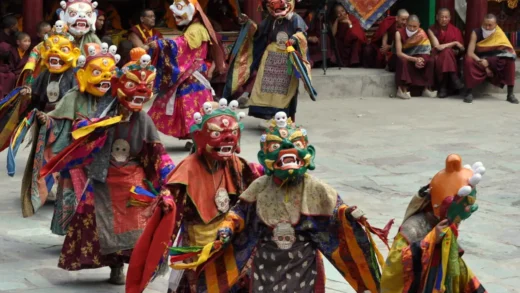
The monastery hosts colorful masked dance performances representing Buddhist teachings and the victory of good over evil.
Losar (Tibetan New Year)
Celebrated with:
- Prayer ceremonies
- Monastic rituals
- Traditional music
- Community feasts
Cultural Importance
These festivals preserve Ladakh’s unique traditions and provide visitors with unforgettable cultural experiences.
Visitor Experience
Tourists can observe monks performing ancient rituals, enjoy traditional music, and learn about Ladakh’s living Buddhist heritage.
Things to Do at Samstanling Monastery
- Explore ancient prayer halls.
- Attend morning prayers.
- Photograph the monastery and surrounding landscapes.
- Interact respectfully with resident monks.
- Learn about Tibetan Buddhism.
- Visit nearby villages.
- Enjoy meditation and quiet reflection.
- Combine the visit with a Nubra Valley road trip.
- Observe traditional Buddhist artwork.
- Experience local Ladakhi culture.
Photography Guide
Best Photo Spots
- Monastery entrance
- Hilltop viewpoints
- Prayer flag-lined paths
- Courtyards
- Nubra Valley overlooks
Sunrise Photography
Early morning light beautifully illuminates the monastery and surrounding mountains.
Sunset Photography
Golden hour provides spectacular views across Nubra Valley.
Drone Regulations
Drone usage may require permission from local authorities and security agencies. Always verify current regulations before flying.
Photography Etiquette
- Ask permission before photographing monks.
- Avoid flash photography inside temples.
- Respect prayer ceremonies.
- Follow instructions from monastery staff.
How to Reach Samstanling Monastery
By Air
The nearest airport is Leh Airport, located approximately 120 km away.
By Road
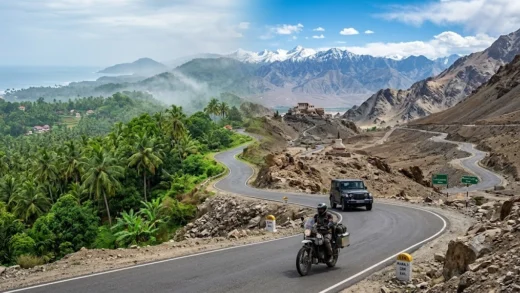
The monastery can be reached via the famous Khardung La route connecting Leh with Nubra Valley.
By Bike
Motorcycle journeys from Leh to Nubra Valley are among the most popular adventures in Ladakh.
By Taxi
Private taxis can be hired from Leh for day trips or multi-day Nubra Valley tours.
By Public Transport
Seasonal buses and shared taxis operate between Leh and Nubra Valley villages, including Sumur.
Distance Chart
| Destination | Distance |
|---|---|
| Leh | 120 km |
| Nubra Valley (Hunder) | 25 km |
| Pangong Lake | 290 km |
| Lamayuru | 240 km |
| Kargil | 350 km |
| Alchi | 180 km |
| Diskit | 18 km |
| Hanle | 410 km |
Best Time to Visit
Summer (May–September)
Advantages
- Pleasant weather
- Open roads
- Clear views
- Festival season
Challenges
- More tourists
Autumn (October)
Advantages
- Beautiful colors
- Fewer crowds
Challenges
- Cooler temperatures
Winter (November–March)
Advantages
- Snow-covered scenery
- Unique cultural experiences
Challenges
- Extremely cold weather
- Road closures possible
Spring (April)
Advantages
- Blossoming orchards
- Comfortable temperatures
Challenges
- Occasional unpredictable weather
Nearby Attractions
Diskit Monastery
The largest monastery in Nubra Valley, famous for its giant Maitreya Buddha statue.
Hunder Sand Dunes
A unique cold desert featuring double-humped Bactrian camels.
Panamik Hot Springs
Natural thermal springs known for their therapeutic properties.
Yarab Tso Lake
A sacred high-altitude lake revered by local Buddhists.
Sumur Village
A charming Ladakhi settlement offering authentic cultural experiences.
Khardung La Pass
One of the world’s highest motorable roads and a highlight of Things to Do in Ladakh.
Travel Tips
Acclimatization
Spend at least 48 hours in Leh before traveling to Nubra Valley.
Clothing
Carry warm layers even during summer.
Respectful Behavior
Maintain silence inside prayer halls and respect religious customs.
Donations
Small donations help support monastery maintenance.
Photography Restrictions
Always ask before taking photographs indoors.
Mobile Network
Limited connectivity; BSNL and Jio work best in many areas.
ATM Availability
ATMs are limited. Carry sufficient cash before leaving Leh.
Lesser-Known Facts About Samstanling Monastery
- The monastery overlooks one of the greenest areas in Nubra Valley.
- More than 50 monks often reside here.
- It remains less crowded than many famous monasteries in Ladakh.
- Several murals retain original traditional pigments.
- The monastery plays an important educational role for nearby villages.
- Apricot orchards surround parts of the monastery complex.
Why You Should Visit Samstanling Monastery
Samstanling Monastery offers everything travelers seek in Ladakh: spirituality, history, culture, architecture, and stunning Himalayan scenery. Its peaceful atmosphere provides a welcome contrast to busier tourist destinations, while its rich Buddhist heritage makes it one of the most rewarding monasteries in Ladakh to explore. Whether you’re following a Ladakh Travel Guide, searching for hidden gems, or simply seeking tranquility, Samstanling Monastery delivers a memorable experience.
Frequently Asked Questions
1. Where is Samstanling Monastery located?
It is located in Sumur Village in Nubra Valley, approximately 120 km from Leh.
2. Which Buddhist school does Samstanling Monastery belong to?
It belongs to the Gelugpa school of Tibetan Buddhism.
3. Who founded Samstanling Monastery?
The monastery was founded by Lama Tsultim Nima in the 19th century.
4. Is there an entry fee?
Generally, entry is free, although donations are appreciated.
5. Can tourists attend prayers?
Yes, visitors may observe prayer sessions respectfully.
6. What is the best time to visit?
May to September offers the most favorable weather and road conditions.
7. Is photography allowed?
Photography is usually allowed outdoors, while some indoor areas may require permission.
8. How much time should I spend at the monastery?
Most visitors spend 1–2 hours exploring the complex.
9. Are there accommodations nearby?
Yes, guesthouses and homestays are available in Sumur and nearby villages.
10. Why is Samstanling Monastery famous?
It is renowned for its peaceful setting, Buddhist heritage, vibrant murals, and importance within Nubra Valley.
Conclusion
Among the many remarkable monasteries in Ladakh, Samstanling Monastery stands out for its serene atmosphere, cultural authenticity, and breathtaking surroundings. Perched above the lush landscapes of Nubra Valley, it offers travelers a rare opportunity to experience living Buddhist traditions while enjoying some of Ladakh’s most beautiful scenery. Whether you are interested in spirituality, history, architecture, or photography, a visit to Samstanling Monastery will leave you with lasting memories and a deeper appreciation for the rich heritage of Ladakh Tourism.