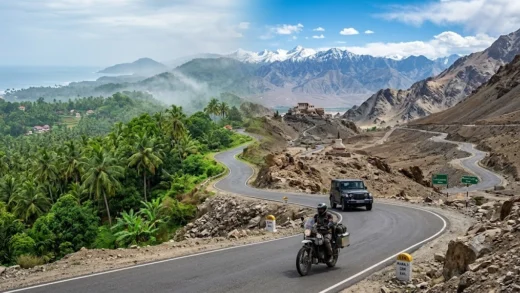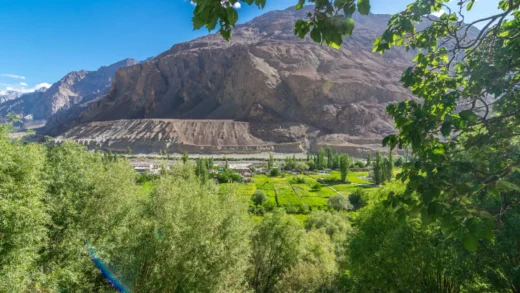

Karzok (also spelled Korzok) is one of the world’s highest permanently inhabited villages, located at an altitude of 4,595 m (15,075 ft) on the northwestern shore of Tso Moriri Lake in the Changthang region of Ladakh. Situated around 146 km from Leh, this remote Himalayan settlement is famous for the 400-year-old Korzok Monastery, breathtaking views of Tso Moriri, rich Changpa nomadic culture, and spectacular landscapes surrounded by the towering Mentok Kangri range.
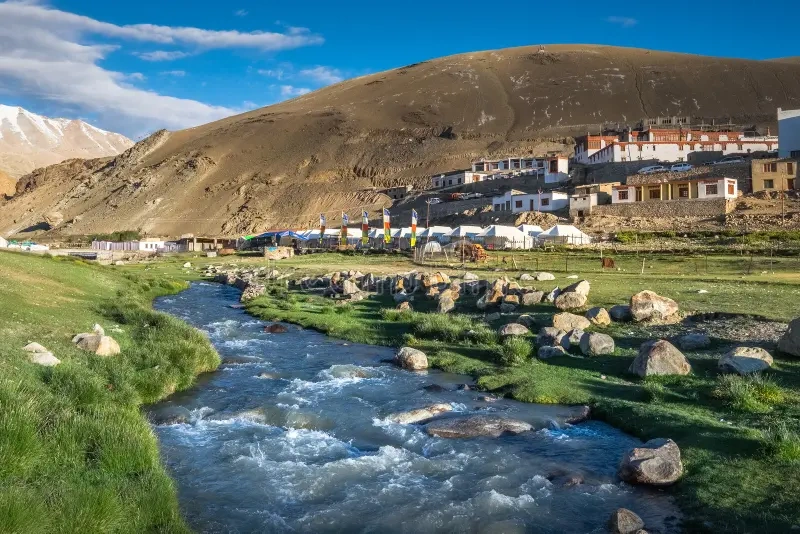
Korzok Village
Karzok is located right next to the famous Tso Moriri Lake in Ladakh and is one of the highest inhabited villages. It offers stunning lake views, nomadic culture, and serene surroundings. Karzok is situated near Tso Moriri Lake, it is home to people who live year-round despite extreme weather and low oxygen conditions.
Karzok Overview
Karzok Village is one of the highest permanently inhabited villages in India, situated at an altitude of approximately 4,595 meters (15,075 ft) on the western shore of Tso Moriri in the beautiful Changthang Plateau region of Ladakh. Surrounded by snow-capped mountains, crystal-clear alpine waters, and vast grasslands, Karzok offers visitors an authentic glimpse into the traditional lifestyle of the Changpa nomads.

 13°C
13°C


| Village Name | Karzok |
| District | Leh Ladakh |
| Sub-Division | Nyoma |
| Block | Rupsho-Puga |
| Ethnic People | Changpa (Nomadic) |
| Population (Approx) | 300–700 |
Unlike the more commercial tourist destinations in Ladakh, Karzok remains peaceful and untouched, making it a paradise for nature lovers, photographers, birdwatchers, and travelers seeking solitude.
Karzok: A high-altitude village near Tso Moriri Lake, known for its beauty. | Iconic high-altitude destination.
About Karzok Village
Karzok is home to the Changpa, a semi-nomadic community known for rearing pashmina goats, yaks, and sheep. The village consists of traditional mud-brick homes, prayer flags fluttering in the mountain breeze, and narrow walking paths overlooking one of Ladakh’s most beautiful lakes.
The village has slowly developed tourism facilities while preserving its unique Himalayan character.
Karzok Location
Located within the Changthang Wildlife Sanctuary and the Tso Moriri Ramsar Site, Karzok is an important habitat for rare Himalayan wildlife, including the black-necked crane, bar-headed goose, and other migratory birds. The village is also known for its traditional pashmina wool production, with local Changpa nomads continuing a centuries-old pastoral lifestyle. Karzok’s barley fields are among the highest cultivated farmlands in the world, showcasing the resilience of agriculture in one of Earth’s harshest environments.
Korzok Gustor Festival
| Feature | Details |
|---|---|
| Festival Name | Korzok Gustor Festival |
| Local Name | Gustor (meaning “Sacrifice of the 29th Day”) |
| Location | Korzok Monastery, Korzok Village, Tso Moriri, Ladakh |
| Region | Changthang, Eastern Ladakh |
| Organised By | Monks of Korzok Monastery |
| Religion | Tibetan Buddhism (Drukpa Lineage) |
| Significance | Celebrates the triumph of good over evil and the protection of the Buddhist faith |
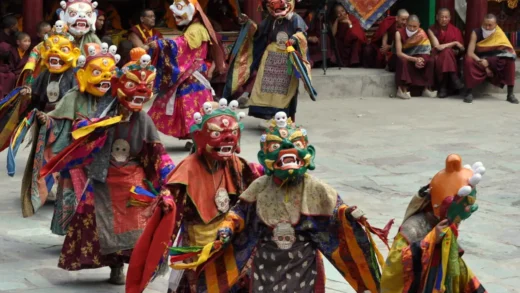
| Main Highlights | Cham (masked) dances, sacred rituals, prayers, music, and cultural performances |
| Traditional Dance | Cham Dance performed by Buddhist monks |
| Major Attraction | Monks wearing elaborate masks and colourful robes depicting Buddhist deities and protectors |
| Festival Duration | 2 days |
| Usual Time | July or August (dates follow the Tibetan lunar calendar) |
| Best For | Cultural enthusiasts, photographers, spiritual travellers, and festival lovers |
| Nearest Village | Korzok |
| Nearest Attraction | Tso Moriri Lake |
| Altitude | Approximately 4,595 m (15,075 ft) |
| Entry Fee | Free |
| Photography | Allowed; always respect monastery guidelines and ceremonies |
| Best Time to Arrive | Early morning to witness prayers and secure a good viewing spot |
| Travel Tip | Spend at least one night in Korzok to acclimatize and experience the festival without rushing. |
Traveler’s Village
For travelers, Karzok offers an unforgettable high-altitude experience with trekking, camping, birdwatching, photography, stargazing, monastery visits, and cultural encounters. Summer temperatures in July average around 13°C (55°F), making it the best time to visit, while winters remain extremely cold, with January temperatures dropping to -12.7°C (9°F) or lower.
Quick Facts
| Feature | Details |
|---|---|
| Location | Western shore of Tso Moriri Lake |
| Region | Changthang, Ladakh |
| Elevation | 4,595 m (15,075 ft) |
| Distance from Leh | Approximately 220 km |
| Travel Time | 6–8 hours |
| Best Time to Visit | June to September |
| Mobile Network | BSNL (limited) |
| ATM | Not Available |
| Fuel Station | None (Nearest at Karu/Upshi) |
| Accommodation | Homestays, Guesthouses, Camps |
| Permit | Indian nationals: No permit currently required; foreign nationals should check current regulations before travel |
Landscape & Environment
Leh is the largest district in the country in terms of area. It is one of the coldest and most elevated inhabited region of the world having 112 inhabited and 1 uninhabited villages.
| Distance from Leh | ~220 km |
| Scenic Landscape & Environment | Lake, wetlands, mountains |
| Culture & Lifestyle | Nomadic Changpa culture |
Top Attractions
1. Tso Moriri
The turquoise waters of Tso Moriri are the main attraction. The lake changes color throughout the day, reflecting the surrounding mountains.
Activities include:
- Photography
- Lakeside walks
- Sunrise viewing
- Wildlife spotting
- Stargazing
2. Karzok Monastery
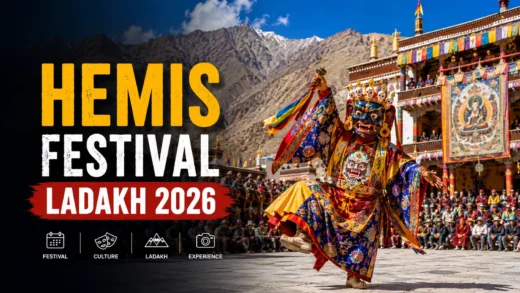
Korzok is also home to the 300-year-old Korzok monastery, which plays host to the annual Korzok Gustor festival. The monastery is fairly small by Ladakhi standards, but for two days every year, the little village, with around 250 houses, and the monastery are abuzz with excitement and activity. The festival attracts villagers and nomads from all over the region as monks enact, through dance and music, stories from ancient Buddhist teachings.
3. Changpa Nomadic Culture
Visitors can learn about:
- Traditional yak herding
- Pashmina goat farming
- Nomadic lifestyle
- Local handicrafts
- Butter tea and Ladakhi cuisine
4. Wildlife
The surrounding region is home to:
- Black-necked Crane
- Bar-headed Goose
- Kiang
- Himalayan Marmot
- Blue Sheep
5. Trekking
Karzok Kangri (6,110 m / 20,046 ft) is one of the most prominent trekking peaks in the Changthang region of Ladakh. Towering above Korzok Village on the western shore of Tso Moriri, it offers a rewarding high-altitude climb with breathtaking views of the lake, the surrounding plateau, and the distant Himalayan ranges.
Mentok Kangri: For serious trekkers, Karzok is the base camp for climbing the Mentok Kangri peaks. But even a short 20-minute walk up the hill will give you a panoramic view of the entire lake that stretches for kilometers.
Things to Do
- Hike for a Better View
- Watch sunrise over Tso Moriri
- Explore Karzok Monastery
- Walk through the traditional village
- Experience Changpa culture
- Birdwatch along the lakeshore
- Capture Milky Way photography
- Enjoy peaceful lakeside camping
- Trek in the surrounding mountains
Things To Exprience
- Spectacular views of Tso Moriri Lake
- Traditional Changpa village experience
- Ancient monastery overlooking the lake
- Excellent wildlife and birdwatching
- Stunning sunrise and sunset photography
- Peaceful atmosphere away from crowded tourist routes
- High-altitude camping opportunities
How to Reach Karzok
From Leh Distance: Approximately 220 km | Travel Time: 6–8 hours
Popular route: Leh → Karu → Upshi → Chumathang → Mahe → Sumdo → Karzok
Scenic Route: Leh → Taglang La → Tso Kar Lake → Puga Valley → Karzok (This route is adventurous!)
Bus Service to Karzok (Tso Moriri)
Traveling between Leh and Karzok Village (Tso Moriri) by public bus is highly affordable but extremely limited. Bus services operate on fixed dates and run only three times a month in each direction.
| Details | Leh → Korzok (Tso Moriri) | Korzok → Leh |
|---|---|---|
| Departure Point | Leh Bus Stand | Korzok Village |
| Destination | Korzok (Near Tso Moriri) | Leh Bus Stand |
| Departure Time | 6:30 AM | 6:30 AM |
| Days of Operation | 10th, 20th & 30th of every month (Seasonal) | 11th, 21st & 1st of the following month (Seasonal) |
| Approx. Travel Time | 7–8 Hours | 7–8 Hours |
| One-Way Fare* | ₹450–₹600 | ₹450–₹600 |
| Booking | Tickets available at Leh Bus Stand | Tickets available at Korzok/Bus Driver (subject to availability) |
Leh to Karzok (Tso Moriri)
- Departure Schedule: 10th, 20th, and 30th of every month.
- Departure Time: 6:30 AM from the main Leh Bus Stand.
- Fare: Approximately ₹370 per person.
- Duration: The scenic journey takes about 7 to 8 hours, passing through Chumathang.
Karzok (Tso Moriri) to Leh
- Departure Schedule: 11th, 21st, and 31st/1st of every month. (Note: It is the same bus that arrives from Leh the previous day.)
- Fare: ₹370 per person.
Important: When traveling by public bus, don’t expect the destination board to say “Tso Moriri.” Instead, look for a bus marked “Korzok” (also spelled Karzok), as this is the nearest village to the lake. Korzok is located just a 15-minute walk from the shores of Tso Moriri and serves as the main gateway for visitors. Perched at an elevation of approximately 4,523 m (14,836 ft), the village offers spectacular panoramic views of one of Ladakh’s most beautiful high-altitude lakes.
Food
Simple Ladakhi meals are available, including:
- Thukpa
- Momos
- Skyu
- Butter Tea
- Maggi
- Rice and Dal
Carry snacks, as food options are limited.
Travel Tips
- Spend at least 2 days acclimatizing in Leh before visiting.
- Carry enough cash, as there are no ATMs.
- Fill your fuel tank in Leh or Karu.
- Bring warm clothing, even in summer.
- Stay hydrated to reduce the risk of altitude sickness.
- Respect local customs and monastery rules.
- Avoid littering to protect the fragile ecosystem.
Mistakes to Avoid in Karzok
| Mistake | Why it’s a problem |
|---|---|
| Rushing the Altitude | High risk of Severe Acute Mountain Sickness (AMS) |
| Forgetting the Permit | Entry can be denied; delays in a remote region |
| Relying on ATMs | No ATMs and limited or no digital payment options |
| Expecting Connectivity | Only BSNL works intermittently, often no signal |
| Bringing a Hatchback | Rough terrain can damage vehicles or cause breakdowns |
Best Time to Visit
| Month | Conditions |
|---|---|
| May | Roads begin opening |
| June | Pleasant weather |
| July | Ideal for sightseeing |
| August | Best for photography |
| September | Clear skies and fewer tourists |
| October–April | Heavy snowfall and extreme cold |
Nearby Attractions & Distance
| Attraction | Distance |
|---|---|
| Tso Moriri | 0 km |
| Korzok Monastery | Within village |
| Mahe Bridge | 55 km |
| Chumathang Hot Springs | 85 km |
| Tso Kar | 105 km |
| Leh | 220 km |
Near By Places
| Nearest Airport | Kushok Bakula Rimpochee Airport |
| Nearest Bus Station / Stop | Nyoma Bus Stop |
| Nearest Hospital / Clinic | CHC Nyoma |
| Nearest Fuel Station | Indian Oil Petrol Pump Nyoma |
Gallery
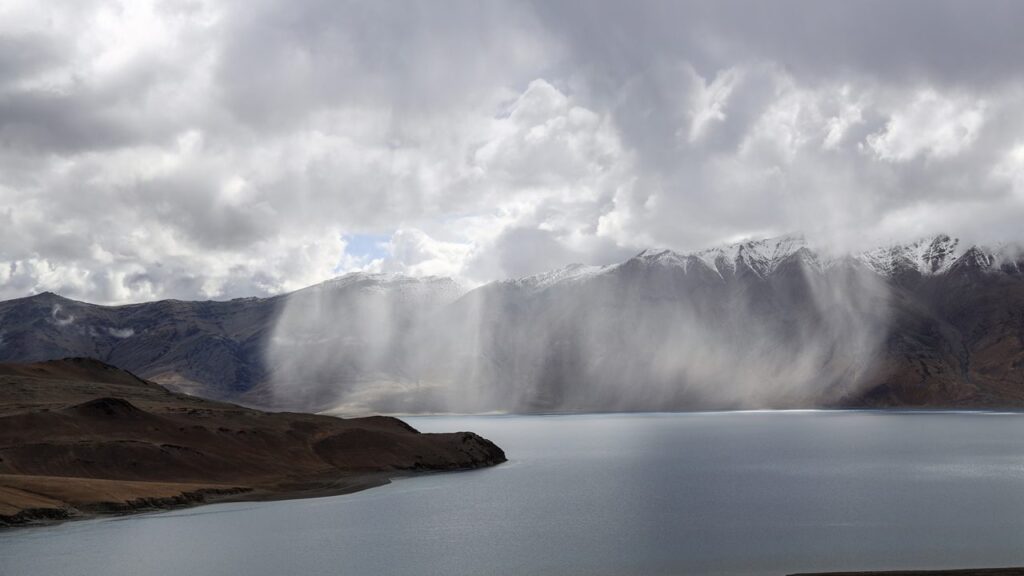
Discover the timeless charm of Ladakh by exploring Karzok village, where tradition, landscapes, and culture come together to offer an authentic and enriching travel experience.
MyTrip Verdict
Whether you’re exploring Tso Moriri Lake, embarking on a Mentok Kangri trek, or discovering the unique traditions of the Changthang Plateau, Karzok Village is one of the most rewarding destinations in Ladakh for nature lovers, photographers, and adventure seekers.
FAQs
Is Karzok Village worth visiting?
Yes. It offers one of Ladakh’s most scenic landscapes, authentic local culture, and access to the pristine Tso Moriri Lake.
Can I stay overnight?
Yes. Homestays, guesthouses, and camps are available during the tourist season.
Is altitude sickness common?
Yes. At 4,595 meters, altitude sickness is a real concern. Proper acclimatization in Leh is strongly recommended.
Is Karzok suitable for families?
Yes, provided everyone has acclimatized well and is prepared for the high altitude and basic facilities.
Is there mobile connectivity?
Limited BSNL coverage is available. Expect little to no internet access.