

Introduction
Sankar Monastery is one of the most peaceful and easily accessible monasteries in Ladakh. Located just a few kilometers from Leh, this Buddhist Monastery in Ladakh offers visitors a serene spiritual atmosphere, stunning views of the Indus Valley, and a chance to experience authentic monastic life away from large tourist crowds.
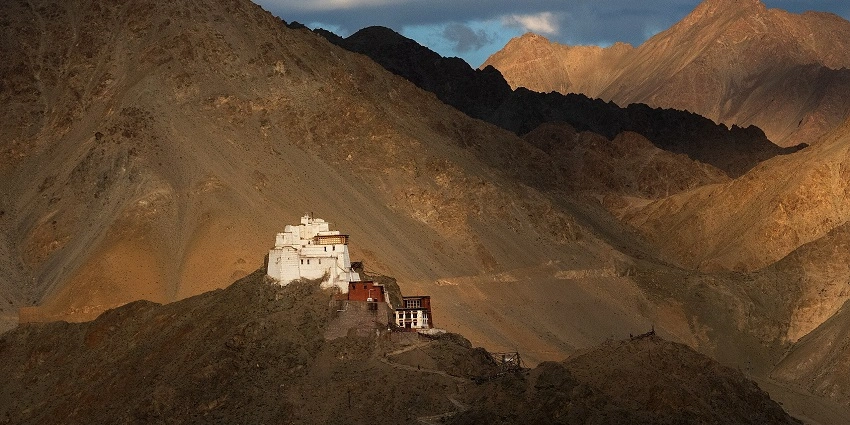
Although smaller than many famous monasteries in Ladakh, Sankar Monastery holds significant religious importance within the Gelugpa tradition of Tibetan Buddhism. Its beautiful architecture, sacred relics, and tranquil surroundings make it a worthwhile destination for anyone exploring Ladakh Tourism.
| Details | Information |
|---|---|
| Location | Sankar Village, near Leh, Ladakh |
| District | Leh District |
| Altitude | Approximately 3,600 meters (11,811 ft) |
| Founded | 19th Century |
| Buddhist School | Gelugpa (Yellow Hat Sect) |
| Founder | Linked to the lineage of the Spituk Monastic Order |
| Best Time to Visit | May to September |
| Entry Fee | Usually Free (Donations Appreciated) |
| Timings | 6:00 AM – 6:00 PM |
| Photography Rules | Photography generally allowed; permission may be required inside prayer halls |
| Nearby Attractions | Leh Palace, Shanti Stupa, Spituk Monastery, Hall of Fame |
| Distance from Leh | About 3 km |
History of Sankar Monastery
Founding History
Sankar Monastery was established during the 19th century as a branch monastery of the renowned Spituk Monastery. It was built to accommodate monks and support the growing influence of the Gelugpa school in the Leh region.

 10°C
10°C
- Temperature
- Rain Chance
- Wind

Founder and Lineage
The monastery is closely associated with the Spituk monastic lineage. It serves as the residence of the senior lama of Spituk and remains an important center for Buddhist learning and practice.
Important Historical Events
Over the years, Sankar Monastery has functioned as a center for religious education, meditation, and preservation of Buddhist teachings. Despite Ladakh’s harsh climate and historical upheavals, the monastery has maintained its spiritual traditions.
Role in Ladakh’s Buddhist Heritage
Sankar Monastery contributes significantly to preserving Tibetan Buddhist culture in Ladakh. It continues to educate monks and host important religious ceremonies throughout the year.
Legends and Folklore
Local stories speak of blessings associated with the monastery’s protector deities. Many devotees believe prayers offered here bring peace, prosperity, and protection during journeys across the Himalayan region.
Architecture and Design
Exterior Architecture
The monastery features traditional whitewashed walls, red monastery accents, prayer flags, and Tibetan-style architecture typical of Ladakh.
Prayer Halls
The main prayer hall contains intricate woodwork, sacred scriptures, butter lamps, and colorful decorations used during religious ceremonies.
Ancient Murals
Beautiful murals depict Buddhist teachings, protective deities, and scenes from the life of Buddha. These artworks showcase traditional Tibetan artistic techniques.
Thangkas
Several valuable thangkas adorn the monastery walls. These sacred paintings serve as teaching tools and objects of meditation.
Statues
The highlight is an impressive statue of Avalokiteshvara (Chenrezig) with 1,000 arms and 1,000 heads, symbolizing infinite compassion.
Monastery Layout
The monastery consists of residential quarters, prayer halls, courtyards, meditation spaces, and small shrines arranged around a central complex.
Unique Artistic Elements
Intricate mandalas, decorative pillars, carved wooden windows, and vibrant Buddhist symbolism add artistic beauty throughout the monastery.
Restoration Efforts
Periodic restoration projects help preserve the monastery’s murals, structures, and sacred artifacts from weather-related damage.
Religious Significance
Buddhist Traditions Practiced
Sankar Monastery follows the Gelugpa tradition, one of Tibetan Buddhism’s most influential schools.
Important Deities
The monastery venerates:
- Avalokiteshvara (Chenrezig)
- Tsongkhapa
- Shakyamuni Buddha
- Mahakala
- Tara
Spiritual Importance
Pilgrims visit to seek blessings, perform prayers, and gain spiritual merit through meditation and offerings.
Monastic Life
Resident monks follow disciplined schedules involving prayer, study, meditation, and community service.
Daily Rituals
Daily activities include:
- Morning prayers
- Chanting ceremonies
- Scripture recitation
- Meditation sessions
- Evening rituals
What to See Inside the Monastery
Main Temple
The main temple serves as the spiritual heart of Sankar Monastery and houses several sacred images and relics.
Assembly Hall
This hall hosts prayer gatherings, festivals, teachings, and ceremonies.
Buddha Statues
Visitors can admire statues representing Buddha, Bodhisattvas, and important Buddhist masters.
Murals
The colorful murals offer insight into Buddhist cosmology and spiritual teachings.
Libraries
The monastery preserves sacred Buddhist texts and manuscripts used by monks for study.
Courtyards
Peaceful courtyards provide excellent opportunities for quiet reflection and photography.
Viewpoints
The elevated location offers panoramic views of Leh town, surrounding mountains, and the Indus Valley.
Sacred Relics
Various relics, scriptures, ritual objects, and sacred artifacts are displayed during special ceremonies.
Festivals Celebrated at Sankar Monastery
Gustor Festival
The most important festival associated with the monastery.
Highlights:
- Sacred prayers
- Ritual ceremonies
- Community gatherings
- Traditional performances
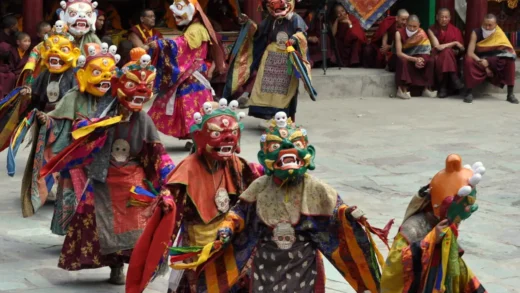
Cham Mask Dances
Monks perform symbolic masked dances representing the victory of good over evil.
Cultural Importance
These festivals preserve Ladakh’s Buddhist traditions and strengthen community bonds.
Visitor Experience
Visitors can witness vibrant costumes, ceremonial music, sacred rituals, and authentic cultural celebrations.
Things to Do at Sankar Monastery
- Attend morning prayer sessions.
- Observe monks performing rituals.
- Explore Buddhist art and murals.
- Enjoy meditation in peaceful surroundings.
- Photograph traditional architecture.
- Learn about Tibetan Buddhism.
- Watch sunset views over Leh.
- Combine the visit with nearby attractions.
- Interact respectfully with resident monks.
- Experience local Ladakhi culture.
Photography Guide
Best Photo Spots
- Monastery entrance
- Prayer flag viewpoints
- Courtyard areas
- Leh Valley overlooks
Sunrise Photography
Early morning light beautifully illuminates the monastery and surrounding mountains.
Sunset Photography
Golden-hour lighting creates dramatic Himalayan landscapes and stunning monastery silhouettes.
Drone Regulations
Drone operations generally require permission from local authorities and may be restricted due to security regulations in Ladakh.
Photography Etiquette
- Ask before photographing monks.
- Avoid flash photography inside temples.
- Respect prayer ceremonies.
- Follow monastery guidelines.
How to Reach Sankar Monastery
By Air
The nearest airport is Kushok Bakula Rimpochee Airport in Leh. From the airport, the monastery is approximately 6–7 km away.
By Road
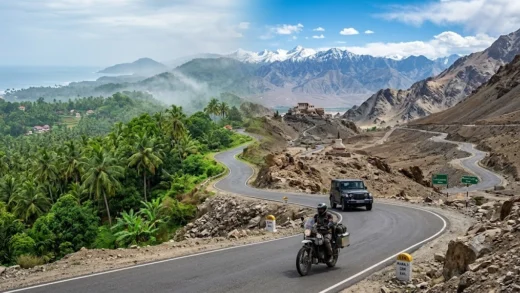
Sankar Monastery is connected by a paved road from Leh and can be reached within 10–15 minutes.
By Bike
Motorcycle travelers can easily include Sankar Monastery in their Leh sightseeing itinerary.
By Taxi
Local taxis are readily available throughout Leh.
By Public Transport
Shared taxis and local transport options connect Leh with nearby villages including Sankar.
Distance Chart
| Destination | Distance to Sankar Monastery |
|---|---|
| Leh | 3 km |
| Nubra Valley | 120 km |
| Pangong Lake | 225 km |
| Lamayuru | 125 km |
| Kargil | 220 km |
| Alchi | 70 km |
| Diskit | 118 km |
| Hanle | 255 km |
Best Time to Visit
Summer (May–September)
Advantages
- Pleasant weather
- Clear roads
- Ideal sightseeing conditions
- Festival activities
Challenges
- Peak tourist season
Autumn (September–October)
Advantages
- Beautiful landscapes
- Fewer crowds
- Excellent photography conditions
Challenges
- Cooler nights
Winter (November–February)
Advantages
- Snow-covered scenery
- Quiet atmosphere
Challenges
- Extremely cold temperatures
- Limited services
Spring (March–April)
Advantages
- Emerging greenery
- Less crowded
Challenges
- Unpredictable weather
Nearby Attractions
Leh Palace
A historic royal palace offering insight into Ladakh’s former kingdom.
Shanti Stupa
One of Leh’s most iconic landmarks featuring panoramic views.
Spituk Monastery
The parent monastery of Sankar and an important Gelugpa center.
Hall of Fame
A museum dedicated to the Indian Army and Ladakh’s history.
Magnetic Hill
A famous natural phenomenon attracting visitors from around the world.
Indus River
Perfect for sightseeing, photography, and adventure activities.
Travel Tips
Acclimatization
Spend at least 24–48 hours in Leh before engaging in extensive sightseeing.
Clothing
Carry layered clothing, even during summer.
Respectful Behavior
Maintain silence inside prayer halls and respect local customs.
Donations
Donations help support monastery maintenance and monastic education.
Photography Restrictions
Always follow posted signs and seek permission when required.
Mobile Network
BSNL, Airtel, and Jio generally provide coverage in Leh.
ATM Availability
ATMs are available in Leh but may be limited in remote areas.
Lesser-Known Facts About Sankar Monastery
- It serves as the residence of a senior lama associated with Spituk Monastery.
- The monastery houses a rare 1,000-armed Avalokiteshvara statue.
- It receives far fewer tourists than many famous monasteries in Ladakh.
- The peaceful setting makes it popular among meditation practitioners.
- Its location offers some of the best views of Leh without strenuous hiking.
Why You Should Visit Sankar Monastery
Unlike larger monasteries that often attract heavy tourist traffic, Sankar Monastery offers a more intimate and authentic spiritual experience. Its beautiful Buddhist art, sacred atmosphere, easy accessibility, and panoramic views make it one of the hidden gems among monasteries in Ladakh. Whether you are interested in religion, history, photography, or simply seeking tranquility, Sankar Monastery deserves a place on your Ladakh Travel Guide itinerary.
Frequently Asked Questions
1. Where is Sankar Monastery located?
Sankar Monastery is located in Sankar Village, approximately 3 km from Leh in Ladakh.
2. Which Buddhist school does Sankar Monastery follow?
It belongs to the Gelugpa or Yellow Hat sect of Tibetan Buddhism.
3. Is there an entry fee?
Generally, entry is free, although donations are welcome.
4. What is the best time to visit Sankar Monastery?
The ideal period is from May to September.
5. Can tourists attend prayer ceremonies?
Yes, visitors can often observe prayer sessions respectfully.
6. How much time is needed for a visit?
Most visitors spend between 1 and 2 hours exploring the monastery.
7. Is photography allowed inside the monastery?
Photography is usually permitted, but certain areas may have restrictions.
8. What is the monastery famous for?
It is famous for its impressive Avalokiteshvara statue and peaceful atmosphere.
9. Can Sankar Monastery be visited as a day trip from Leh?
Yes, it is one of the easiest monasteries to visit from Leh.
10. Is Sankar Monastery suitable for families?
Yes, families, solo travelers, photographers, and pilgrims can all enjoy visiting the monastery.
Conclusion
Sankar Monastery stands as a beautiful example of Ladakh’s enduring Buddhist heritage. Nestled above Leh and surrounded by the majestic Himalayas, this peaceful Buddhist Monastery in Ladakh offers visitors a rare combination of spirituality, history, art, and breathtaking scenery. Whether you are exploring Ladakh Tourism for the first time or returning to discover lesser-known treasures, Sankar Monastery provides a memorable experience that reflects the timeless soul of the Himalayas. From its sacred halls and ancient traditions to its stunning viewpoints and welcoming atmosphere, a visit to Sankar Monastery is certain to become one of the highlights of your journey through Ladakh.