
Introduction
Among the most beautiful monasteries in Ladakh, Korzok Monastery stands dramatically against the turquoise waters of Tso Moriri Lake and the snow-capped peaks of the Changthang region. The monastery is not only a spiritual center for local Buddhists but also an important cultural institution for the Changpa nomads who inhabit this high-altitude wilderness.
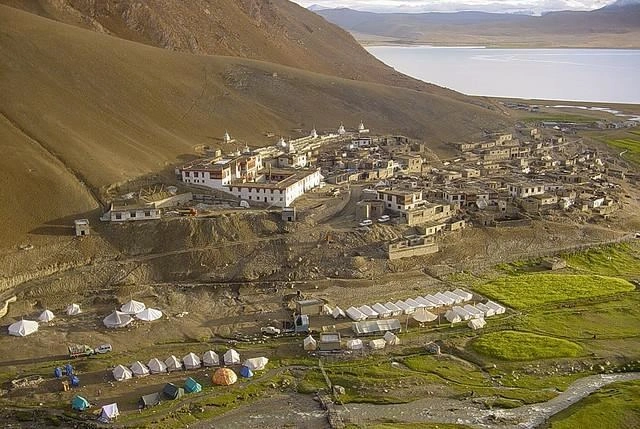
Unlike many monasteries located along popular tourist circuits, Korzok Monastery remains relatively untouched by mass tourism. Its isolated location enhances its spiritual atmosphere, making it a must-visit destination in any Ladakh Travel Guide.
| Details | Information |
|---|---|
| Location | Korzok Village, Tso Moriri Lake, Ladakh |
| District | Leh District |
| Altitude | Approx. 4,595 meters (15,075 feet) |
| Founded | Around 17th Century |
| Buddhist School | Drukpa Kagyu |
| Founder | Lama Kunga Lodro Ningpo |
| Best Time to Visit | May to September |
| Entry Fee | Free (Donations Appreciated) |
| Timings | 6:00 AM – 6:00 PM |
| Photography Rules | Usually allowed outside; permission may be required indoors |
| Nearby Attractions | Tso Moriri Lake, Puga Valley, Tso Kar Lake, Nomadic Settlements |
| Distance from Leh | Approx. 220 km |
History of Korzok Monastery
Founding History
Korzok Monastery was established in the 17th century during a period when Tibetan Buddhism flourished throughout Ladakh. The monastery became an important religious institution serving the remote communities of the Changthang region.

 11°C
11°C
- Temperature
- Rain Chance
- Wind


Founder and Lineage
The monastery is traditionally associated with Lama Kunga Lodro Ningpo, a respected Buddhist teacher of the Drukpa Kagyu tradition. Under his guidance, Korzok developed into a center of learning and meditation.
Important Historical Events
Throughout its history, Korzok Monastery served as a refuge and spiritual center for local nomadic populations. Due to its strategic position near historic trade routes connecting Ladakh and Tibet, the monastery witnessed centuries of cultural exchange.
Role in Ladakh’s Buddhist Heritage
Korzok Monastery represents the spread of the Drukpa Kagyu school across eastern Ladakh. It continues to preserve ancient Buddhist teachings, rituals, and artistic traditions that form an integral part of Ladakh Tourism and cultural heritage.
Legends and Folklore
Local folklore tells of sacred blessings bestowed upon the region by revered Buddhist masters who meditated near Tso Moriri. Many residents believe the lake itself possesses spiritual energy and that the monastery safeguards this sacred landscape.
Architecture and Design
Exterior Architecture
The monastery follows traditional Ladakhi architectural principles, featuring whitewashed walls, red ochre bands, and golden prayer structures that blend harmoniously with the mountain surroundings.
Prayer Halls
The main prayer hall contains elaborate wooden pillars, colorful ceilings, and sacred shrines used for daily worship and ceremonies.
Ancient Murals
Visitors can admire centuries-old murals depicting Buddhist teachings, deities, mandalas, and scenes from the life of Buddha.
Thangkas
The monastery preserves beautiful thangkas—intricately painted religious scrolls used during ceremonies and festivals.
Statues
Sacred statues of Buddha Shakyamuni, Guru Padmasambhava, and various Bodhisattvas occupy prominent positions throughout the monastery.
Monastery Layout
The complex consists of:
- Main assembly hall
- Monks’ quarters
- Courtyard
- Shrine rooms
- Prayer wheel areas
- Meditation spaces
Unique Artistic Elements
Traditional wood carvings, colorful frescoes, prayer flags, and ceremonial artifacts showcase the artistic excellence of Ladakhi Buddhist culture.
Restoration Efforts
Several restoration projects have helped preserve the monastery’s murals, scriptures, and structures from the harsh climatic conditions of the high Himalayas.
Religious Significance
Buddhist Traditions Practiced
Korzok Monastery follows the Drukpa Kagyu tradition, emphasizing meditation, compassion, and spiritual discipline.
Important Deities
Major deities worshipped include:
- Buddha Shakyamuni
- Guru Padmasambhava
- Avalokiteshvara
- Mahakala
- Various protective deities
Spiritual Importance
For local Buddhists, Korzok Monastery serves as a vital center of prayer, learning, and pilgrimage.
Monastic Life
Resident monks devote their lives to studying scriptures, conducting rituals, and preserving Buddhist traditions.
Daily Rituals
Daily activities include:
- Morning prayers
- Chanting ceremonies
- Meditation sessions
- Offering rituals
- Scripture recitations
What to See Inside the Monastery
Main Temple
The monastery’s principal shrine houses important Buddhist images and ceremonial objects.
Assembly Hall
The Dukhang (assembly hall) is the spiritual heart of the monastery where communal prayers take place.
Buddha Statues
Several large statues of Buddha and Bodhisattvas serve as focal points for worship.
Murals
Ancient wall paintings provide insight into Buddhist cosmology and philosophy.
Libraries
The monastery safeguards valuable religious manuscripts and sacred texts.
Courtyards
Open courtyards offer peaceful spaces for reflection and photography.
Viewpoints
One of the greatest attractions is the panoramic view of Tso Moriri Lake from the monastery grounds.
Sacred Relics
Visitors may occasionally view ceremonial relics displayed during special festivals.
Festivals Celebrated at Korzok Monastery
Korzok Gustor Festival
The monastery’s most important annual festival is the Korzok Gustor.
| Festival Aspect | Details |
|---|---|
| Festival Name | Korzok Gustor |
| Usual Timing | July–August |
| Main Rituals | Prayers, offerings, blessings |
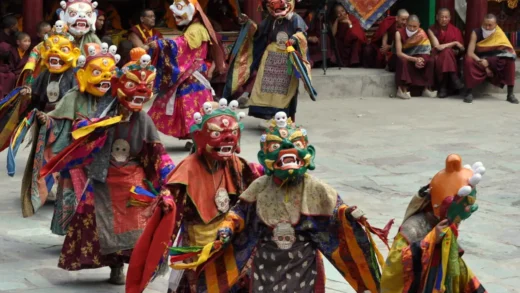
| Mask Dances | Traditional Cham dances |
| Cultural Importance | Celebrates victory of good over evil |
| Visitor Experience | Colorful costumes, music, rituals, local culture |
Cultural Importance
The festival strengthens community bonds among the Changpa nomads and preserves centuries-old traditions.
Visitor Experience
Tourists can witness elaborate masked dances, traditional music performances, and unique religious ceremonies.
Things to Do at Korzok Monastery
- Attend morning prayer sessions.
- Explore Buddhist architecture.
- Photograph Tso Moriri Lake.
- Observe monastic life.
- Meet local Changpa nomads.
- Enjoy birdwatching around the lake.
- Experience stargazing in one of India’s darkest skies.
- Learn about Ladakh’s Buddhist heritage.
- Meditate in peaceful surroundings.
- Combine the visit with a Changthang road trip.
Photography Guide
Best Photo Spots
- Monastery viewpoint overlooking Tso Moriri
- Prayer flag areas
- Courtyard
- Lake shoreline
- Nearby hills
Sunrise Photography
Early morning light creates spectacular reflections on Tso Moriri and illuminates the monastery beautifully.
Sunset Photography
Golden-hour lighting transforms the surrounding mountains into vibrant shades of orange and pink.
Drone Regulations
Drone use may require permission from local authorities and security agencies. Always check current regulations before flying.
Photography Etiquette
- Seek permission before photographing monks.
- Avoid flash photography inside prayer halls.
- Respect religious ceremonies.
- Follow monastery guidelines.
How to Reach Korzok Monastery
By Air
The nearest airport is Kushok Bakula Rimpochee Airport in Leh.
By Road
Leh to Korzok is approximately 220 km via Upshi, Chumathang, and Mahe.
Travel time ranges from 6–8 hours depending on road conditions.
By Bike
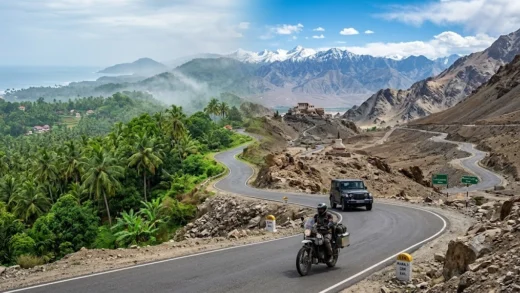
Motorcycle trips to Korzok are highly popular among adventure travelers exploring Things to Do in Ladakh.
By Taxi
Private taxis can be hired from Leh for day trips or overnight journeys.
By Public Transport
Limited public buses operate seasonally between Leh and Korzok. Schedules may vary.
Distance Chart
| Destination | Distance to Korzok Monastery |
|---|---|
| Leh | 220 km |
| Nubra Valley | 340 km |
| Pangong Lake | 230 km |
| Lamayuru | 340 km |
| Kargil | 440 km |
| Alchi | 290 km |
| Diskit | 350 km |
| Hanle | 150 km |
Best Time to Visit
Summer (May–June)
Advantages
- Pleasant weather
- Open roads
- Clear skies
Challenges
- Increased tourist traffic
Autumn (September–October)
Advantages
- Crisp weather
- Beautiful landscapes
- Fewer visitors
Challenges
- Cold nights
Winter (November–March)
Advantages
- Snow-covered scenery
- Complete tranquility
Challenges
- Extreme cold
- Road closures possible
Spring (April)
Advantages
- Emerging wildlife
- Fresh landscapes
Challenges
- Unpredictable weather
Nearby Attractions
Tso Moriri Lake
One of Ladakh’s most spectacular high-altitude lakes, famous for its crystal-clear waters and wildlife.
Tso Kar Lake
Known as the White Lake, this region attracts migratory birds and nature enthusiasts.
Puga Valley
A fascinating geothermal area featuring hot springs and sulfur deposits.
Hanle Monastery
A remote Buddhist monastery renowned for its serenity and nearby astronomical observatory.
Changpa Nomadic Settlements
Experience the traditional lifestyle of Ladakh’s famous nomadic pastoral communities.
Travel Tips
Acclimatization
Spend at least 48 hours in Leh before visiting Korzok due to the high altitude.
Clothing
Carry warm layers throughout the year, even during summer.
Respectful Behavior
Maintain silence during prayers and respect monastic customs.
Donations
Voluntary donations help preserve the monastery.
Photography Restrictions
Always ask before photographing interiors.
Mobile Network
Connectivity is limited and often unreliable.
ATM Availability
Carry sufficient cash as ATMs are scarce in the region.
Lesser-Known Facts About Korzok Monastery
- Korzok Monastery is among the highest permanently inhabited monasteries in India.
- It overlooks one of Ladakh’s largest high-altitude lakes.
- The monastery serves the semi-nomadic Changpa community.
- Ancient trade routes once passed near Korzok.
- The region is home to rare Himalayan wildlife.
- The monastery’s isolation has helped preserve traditional Buddhist practices.
- Tso Moriri is recognized as an important wetland ecosystem.
- The night sky here offers exceptional stargazing opportunities.
Why You Should Visit Korzok Monastery
Korzok Monastery offers an experience unlike any other Buddhist Monastery in Ladakh. The combination of spiritual heritage, dramatic Himalayan scenery, vibrant local culture, and the pristine beauty of Tso Moriri creates a destination that perfectly captures the essence of Ladakh Tourism. Whether you are a pilgrim, photographer, adventurer, or cultural traveler, Korzok Monastery deserves a place on your Ladakh Travel Guide itinerary.
Frequently Asked Questions
1. Where is Korzok Monastery located?
Korzok Monastery is located in Korzok Village on the western shore of Tso Moriri Lake in Ladakh.
2. How far is Korzok Monastery from Leh?
The monastery is approximately 220 km from Leh.
3. Which Buddhist school does Korzok Monastery belong to?
It belongs to the Drukpa Kagyu school of Tibetan Buddhism.
4. Is there an entry fee?
No, entry is generally free, though donations are welcomed.
5. What is the best time to visit?
May to September offers the most favorable weather and road conditions.
6. Can tourists attend prayers?
Visitors may observe prayer sessions respectfully when permitted.
7. Is photography allowed?
Photography is generally allowed outdoors, while indoor photography may require permission.
8. What festival is famous here?
The annual Korzok Gustor Festival is the monastery’s most celebrated event.
9. Are accommodations available nearby?
Yes, guesthouses, homestays, and seasonal camps are available around Korzok Village.
10. Can Korzok Monastery be combined with Hanle and Tso Kar?
Yes, many travelers include Korzok, Hanle, and Tso Kar in a multi-day Changthang circuit.
Conclusion
Korzok Monastery stands as a remarkable symbol of Ladakh’s spiritual heritage, resilience, and natural beauty. Overlooking the mesmerizing waters of Tso Moriri Lake, this remote monastery offers visitors a rare opportunity to experience authentic Himalayan Buddhism far from crowded tourist routes. From ancient murals and sacred rituals to breathtaking landscapes and vibrant festivals, Korzok Monastery embodies everything that makes the monasteries in Ladakh so extraordinary. A journey here is not merely sightseeing—it is an immersion into one of the most captivating cultural and spiritual landscapes in the Himalayas.