

Introduction
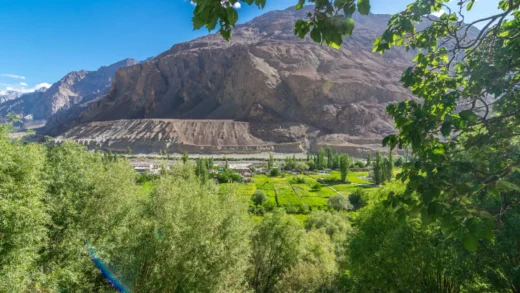
Among the lesser-known monasteries in Ladakh, Yarma Gompa offers travelers a rare glimpse into the spiritual heart of the remote Zanskar region. Surrounded by dramatic mountains, rugged landscapes, and ancient Buddhist settlements, this monastery embodies the tranquility and timeless traditions that define Ladakh’s Buddhist heritage.
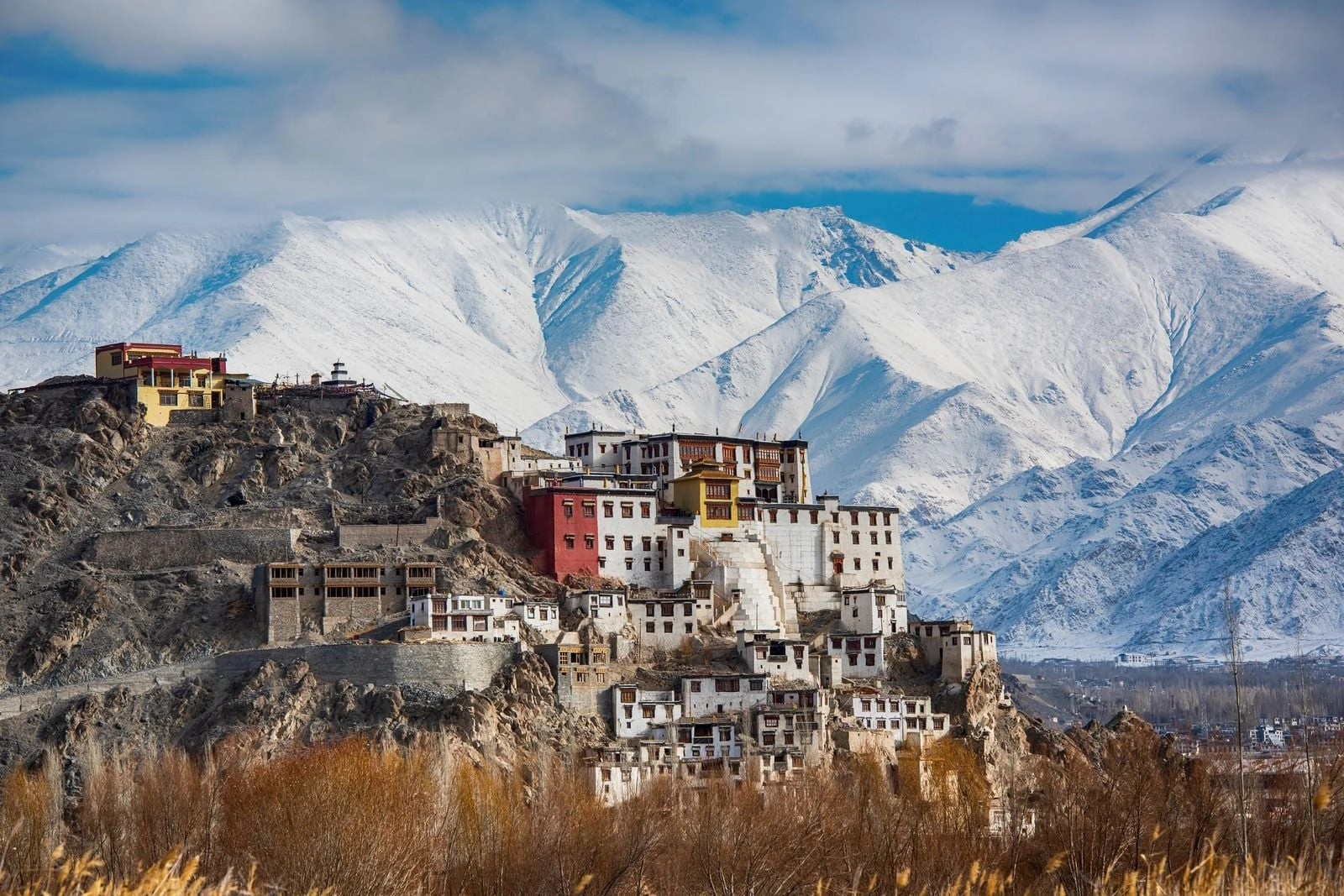
Unlike the more famous monasteries in Ladakh that attract large numbers of tourists, Yarma Gompa remains relatively untouched, allowing visitors to experience authentic monastic life. The monastery serves as a center of worship, meditation, and Buddhist learning while preserving centuries-old religious traditions.
For travelers seeking cultural immersion, spiritual exploration, and off-the-beaten-path experiences, Yarma Gompa is one of the hidden treasures of Ladakh Tourism.

 6°C
6°C
- Temperature
- Rain Chance
- Wind


| Details | Information |
|---|---|
| Location | Yarma Village, Zanskar Region, Ladakh, India |
| District | Kargil District (Zanskar Subdivision) |
| Altitude | Approximately 3,700–3,900 meters (12,139–12,795 ft) |
| Founded | Believed to date back several centuries, with origins linked to early Tibetan Buddhist expansion in Zanskar |
| Buddhist School | Primarily associated with the Drukpa Kagyu tradition |
| Founder | Exact founder unknown; traditionally linked to early Buddhist masters of Zanskar |
| Best Time to Visit | May to September |
| Entry Fee | Usually Free (donations appreciated) |
| Timings | 6:00 AM – 6:00 PM (varies seasonally) |
| Photography Rules | Allowed in exterior areas; permission required inside prayer halls |
| Nearby Attractions | Zanskar Valley, Karsha Monastery, Stongdey Monastery, Padum |
| Distance from Leh | Approximately 460 km |
History of Yarma Gompa
Founding History
The origins of Yarma Gompa are believed to date back several centuries when Buddhism flourished across the Zanskar Valley. During this period, monks and scholars established numerous monastic centers to spread Buddhist teachings throughout the Himalayan region.
Founder and Lineage
Although historical records are limited, local traditions suggest that the monastery was founded by disciples belonging to the Drukpa Kagyu lineage. This lineage remains influential throughout Ladakh and neighboring Himalayan regions.
Important Historical Events
Over the centuries, Yarma Gompa witnessed periods of political change, harsh winters, and regional conflicts. Despite these challenges, the monastery survived as a center of faith and education.
Monks preserved sacred scriptures, traditional rituals, and artistic heritage through generations, ensuring the continuation of Buddhist teachings in the region.
Role in Ladakh’s Buddhist Heritage
Yarma Gompa contributes significantly to preserving Zanskar’s Buddhist culture. It continues to serve local communities through religious ceremonies, educational activities, and spiritual guidance.
Legends and Folklore
Local villagers tell stories of wandering Buddhist saints meditating in nearby caves. Some legends speak of protective mountain deities watching over the monastery and ensuring its survival through centuries of isolation and severe weather.
Architecture and Design
Exterior Architecture
Yarma Gompa follows traditional Himalayan monastic architecture. The whitewashed walls contrast beautifully against the barren mountain slopes, while red and ochre accents symbolize Buddhist spiritual traditions.
Prayer Halls
The prayer halls are designed for communal worship and chanting ceremonies. Wooden pillars, traditional decorations, and butter lamps create a serene spiritual atmosphere.
Ancient Murals
Several walls feature colorful Buddhist murals depicting:
- Life of Buddha
- Bodhisattvas
- Wheel of Life
- Protective deities
- Buddhist cosmology
Thangkas
The monastery preserves sacred thangkas that are displayed during important festivals and religious ceremonies.
Statues
Visitors can find statues of:
- Shakyamuni Buddha
- Guru Padmasambhava
- Avalokiteshvara
- Maitreya Buddha
- Various lineage masters
Monastery Layout
The monastery complex generally includes:
- Main prayer hall
- Residential monk quarters
- Courtyards
- Storage rooms
- Small shrines
- Meditation spaces
Unique Artistic Elements
Hand-painted wooden beams, traditional motifs, and locally crafted religious artifacts showcase the artistic heritage of Zanskar.
Restoration Efforts
Local monks and heritage conservation groups have undertaken restoration projects to preserve murals, manuscripts, and structural elements damaged by time and weather.
Religious Significance
Buddhist Traditions Practiced
Yarma Gompa follows Tibetan Buddhist practices emphasizing:
- Meditation
- Compassion
- Chanting
- Ritual offerings
- Scriptural study
Important Deities
Major deities worshipped include:
- Shakyamuni Buddha
- Avalokiteshvara
- Tara
- Guru Padmasambhava
- Mahakala
Spiritual Importance
The monastery serves as an important spiritual center for nearby villages and attracts pilgrims seeking blessings and guidance.
Monastic Life
Monks follow disciplined daily routines involving:
- Early morning prayers
- Scriptural study
- Meditation sessions
- Community service
- Ritual ceremonies
Daily Rituals
Visitors may witness:
- Morning chants
- Butter lamp offerings
- Prayer wheel rotations
- Incense rituals
- Meditation practices
What to See Inside the Monastery
Main Temple
The main temple houses sacred images, ritual objects, and prayer spaces used for major ceremonies.
Assembly Hall
This is the spiritual heart of the monastery where monks gather for communal prayers and teachings.
Buddha Statues
Several impressive statues represent key figures in Tibetan Buddhism.
Murals
Ancient murals provide valuable insight into Buddhist philosophy and Himalayan artistic traditions.
Libraries
Some sections preserve Buddhist manuscripts and religious texts passed down through generations.
Courtyards
The open courtyards offer peaceful spaces for reflection and photography.
Viewpoints
The monastery’s elevated position provides spectacular views of the surrounding mountains and valleys.
Sacred Relics
Certain shrines contain sacred relics and ritual objects revered by local devotees.
Festivals Celebrated at Yarma Gompa
Annual Religious Festivals
The monastery celebrates traditional Tibetan Buddhist festivals throughout the year.
| Festival | Highlights |
|---|---|
| Losar | Tibetan New Year celebrations |
| Monlam | Prayer gatherings and blessings |
| Local Cham Festivals | Sacred mask dances and rituals |
| Guru Rinpoche Ceremonies | Honoring Padmasambhava |
Rituals
- Prayer recitations
- Blessing ceremonies
- Sacred offerings
- Community gatherings
Mask Dances
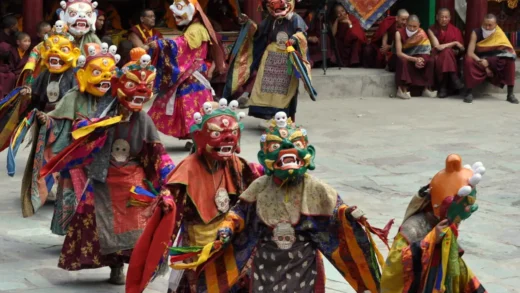
Monks perform Cham dances representing the triumph of wisdom over ignorance.
Cultural Importance
Festivals strengthen community ties and preserve centuries-old traditions.
Visitor Experience
Travelers can witness colorful costumes, traditional music, and authentic Buddhist ceremonies.
Things to Do at Yarma Gompa
- Attend morning prayers
- Observe monastic life
- Explore ancient murals
- Practice meditation
- Learn about Tibetan Buddhism
- Photograph mountain landscapes
- Visit nearby villages
- Interact respectfully with monks
- Experience local culture
- Enjoy peaceful solitude
Photography Guide
Best Photo Spots
- Monastery entrance
- Prayer flags
- Courtyard viewpoints
- Mountain backdrops
- Traditional architecture
Sunrise Photography
Early morning light creates dramatic shadows across the monastery and surrounding peaks.
Sunset Photography
Golden-hour lighting enhances the colors of the monastery and valley landscape.
Drone Regulations
Drone use typically requires permission from local authorities and monastery management.
Photography Etiquette
- Ask before photographing monks
- Avoid flash inside temples
- Respect prayer sessions
- Follow monastery guidelines
How to Reach Yarma Gompa
By Air
The nearest airport is Kushok Bakula Rimpochee Airport in Leh.
By Road
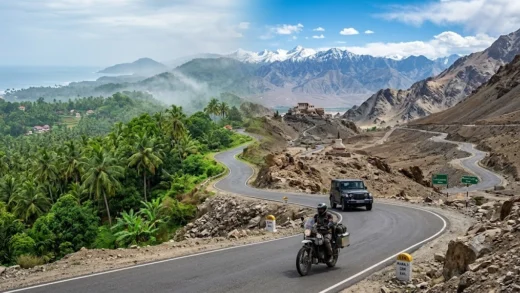
Travel from Leh to Padum via the recently improved Zanskar road network and continue toward Yarma Village.
By Bike
Adventure riders frequently include Yarma Gompa in extended Zanskar Valley itineraries.
By Taxi
Private taxis can be hired from Leh or Padum.
By Public Transport
Seasonal buses and shared taxis connect Leh with Padum, from where local transport may be arranged.
Distance Chart
| Destination | Distance to Yarma Gompa |
|---|---|
| Leh | ~460 km |
| Nubra Valley | ~580 km |
| Pangong Lake | ~620 km |
| Lamayuru | ~300 km |
| Kargil | ~240 km |
| Alchi | ~390 km |
| Diskit | ~570 km |
| Hanle | ~700 km |
Best Time to Visit
Summer (May–September)
Advantages
- Pleasant weather
- Accessible roads
- Festival season
- Ideal photography
Challenges
- Peak tourist season
Autumn (September–October)
Advantages
- Clear skies
- Beautiful landscapes
- Fewer visitors
Challenges
- Cooler temperatures
Winter (November–March)
Advantages
- Unique snowy scenery
- Solitude
Challenges
- Heavy snowfall
- Road closures
Spring (April–May)
Advantages
- Fresh mountain scenery
- Fewer tourists
Challenges
- Variable weather conditions
Nearby Attractions
Karsha Monastery
The largest monastery in Zanskar and an important center of Buddhist learning.
Stongdey Monastery
One of the region’s most significant monasteries, known for its hilltop setting.
Padum
The administrative and cultural center of Zanskar Valley.
Zanskar Valley
A paradise for trekkers, photographers, and adventure enthusiasts.
Sani Monastery
One of the oldest religious sites in the region with deep historical significance.
Travel Tips
Acclimatization
Spend at least two days acclimatizing in Leh before traveling deeper into Zanskar.
Clothing
Carry layered clothing as temperatures can change rapidly.
Respectful Behavior
Dress modestly and maintain silence during prayers.
Donations
Voluntary donations help preserve the monastery.
Photography Restrictions
Always seek permission before photographing sacred interiors.
Mobile Network
Connectivity is limited in many parts of Zanskar.
ATM Availability
Carry sufficient cash as ATMs are scarce outside major towns.
Lesser-Known Facts About Yarma Gompa
- The monastery remains one of Zanskar’s lesser-visited spiritual sites.
- Traditional rituals have been preserved largely unchanged for generations.
- Local monks continue to maintain ancient manuscript collections.
- The surrounding landscape offers exceptional stargazing opportunities.
- The monastery provides valuable insight into authentic Himalayan Buddhist culture.
Why You Should Visit Yarma Gompa
Yarma Gompa offers an experience that many popular monasteries in Ladakh can no longer provide—peace, authenticity, and a deep connection to centuries-old Buddhist traditions. Surrounded by the spectacular landscapes of Zanskar, it allows visitors to step away from crowded tourist routes and discover the spiritual essence of Ladakh.
Whether you are interested in Buddhist history, photography, architecture, meditation, or cultural exploration, Yarma Gompa delivers a memorable and enriching experience.
Frequently Asked Questions
1. Where is Yarma Gompa located?
Yarma Gompa is located in the remote Zanskar region of Ladakh within Kargil District.
2. Is there an entry fee?
Generally, entry is free, although donations are welcome.
3. Which Buddhist tradition does the monastery follow?
It is primarily associated with the Drukpa Kagyu tradition.
4. How far is Yarma Gompa from Leh?
The monastery is approximately 460 km from Leh.
5. Can tourists enter the prayer halls?
Yes, visitors are usually allowed with respectful behavior and permission.
6. Is photography allowed inside the monastery?
Photography policies vary; always ask before taking photos indoors.
7. What is the best time to visit?
May through September offers the most favorable weather and road conditions.
8. Are there accommodation options nearby?
Basic guesthouses and homestays are available in nearby villages and Padum.
9. Can I visit during festivals?
Yes, festival periods provide a unique opportunity to witness traditional Buddhist ceremonies.
10. Is Yarma Gompa suitable for family travelers?
Yes, families interested in culture, spirituality, and Ladakh Tourism will enjoy visiting the monastery.
Conclusion
Hidden among the majestic mountains of Zanskar, Yarma Gompa stands as a remarkable symbol of Ladakh’s enduring Buddhist heritage. Its ancient traditions, sacred artwork, peaceful atmosphere, and dramatic Himalayan setting make it one of the most rewarding destinations for travelers seeking authentic cultural experiences. Whether you are exploring the finest monasteries in Ladakh, following a Buddhist pilgrimage route, or simply searching for unique Things to Do in Ladakh, Yarma Gompa offers a journey into the spiritual soul of the Himalayas that will remain with you long after your visit.