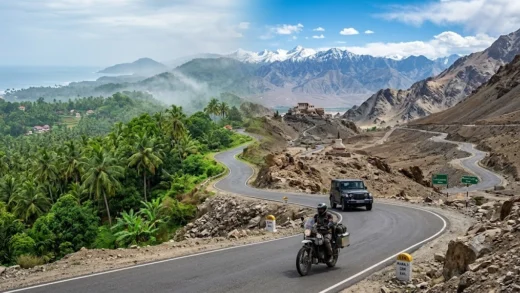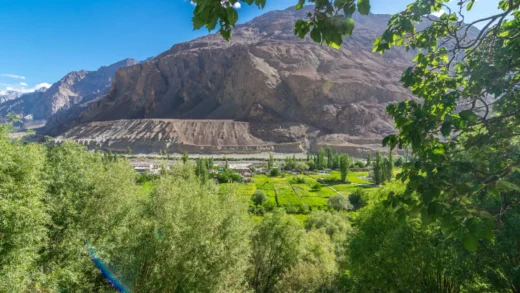


Ladakh is famous for its breathtaking mountains, crystal-clear lakes, and adventurous roads. However, beyond popular attractions like Pangong Lake and Khardung La, the region holds many fascinating secrets that even frequent travelers may not know. From ancient trade routes to eco-friendly innovations, Ladakh is a land full of surprises.
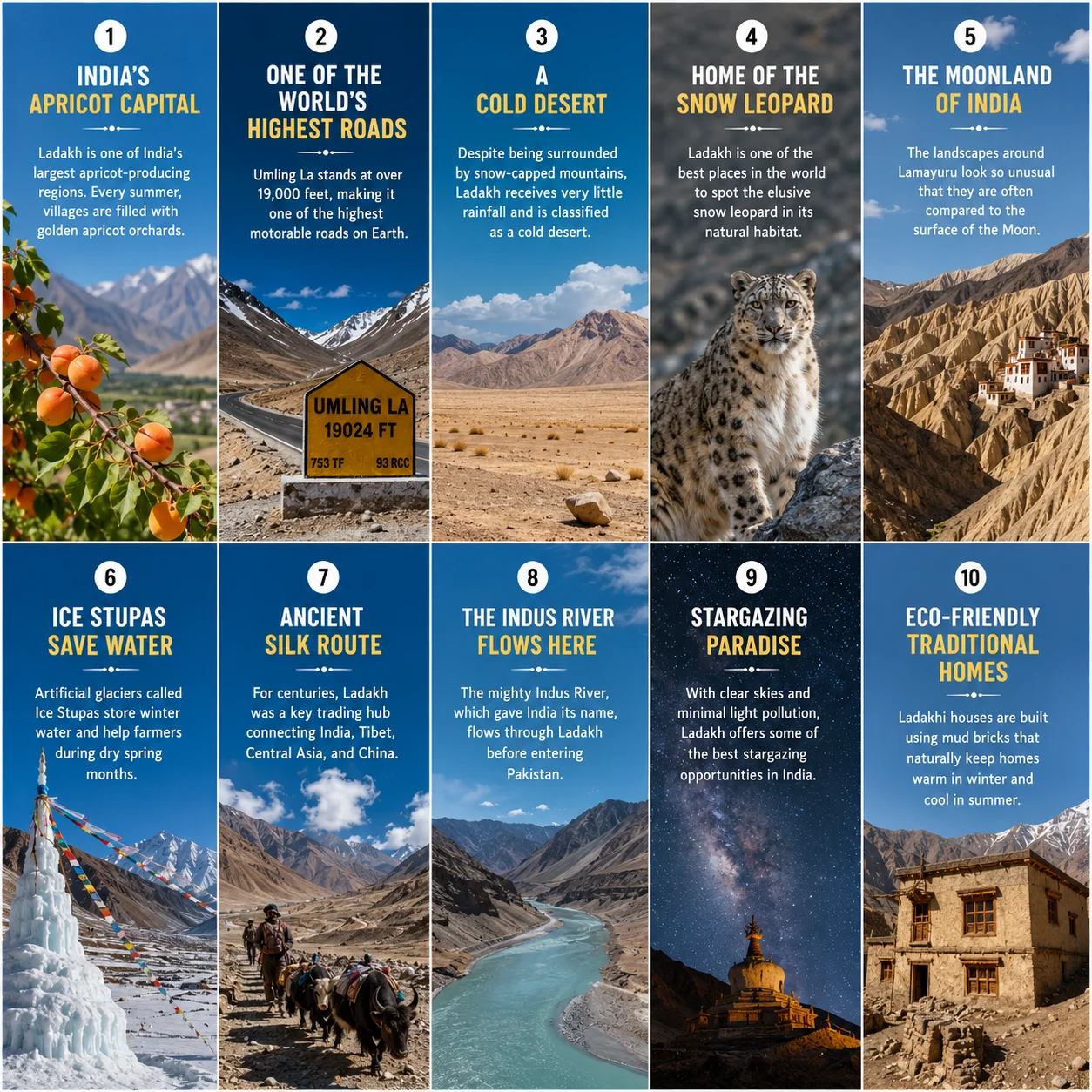
1. Ladakh Produces Most of India’s Apricots
Ladakh is one of India’s leading apricot-producing regions. The fertile villages of Sham Valley and Nubra Valley are known for growing sweet, organic apricots. During summer, apricot orchards transform the landscape with vibrant colors.

Local communities produce a variety of apricot-based products, including:

 9°C
9°C
- Temperature
- Rain Chance
- Wind

- Apricot jam
- Apricot oil
- Dried apricots
- Apricot juice
These products are among the most popular souvenirs visitors bring home from Ladakh.
2. Home to One of the World’s Highest Motorable Roads
Ladakh is home to Umling La, one of the highest motorable roads on Earth. Located at an elevation of approximately 5,798 meters (19,024 feet), this remarkable road offers spectacular views of the surrounding Himalayan landscape.

Reaching Umling La is considered a dream achievement for many adventure motorcyclists and road-trip enthusiasts.
3. Ladakh Is a Cold Desert
Despite being located in the Himalayas, Ladakh receives very little rainfall and is classified as a cold desert.
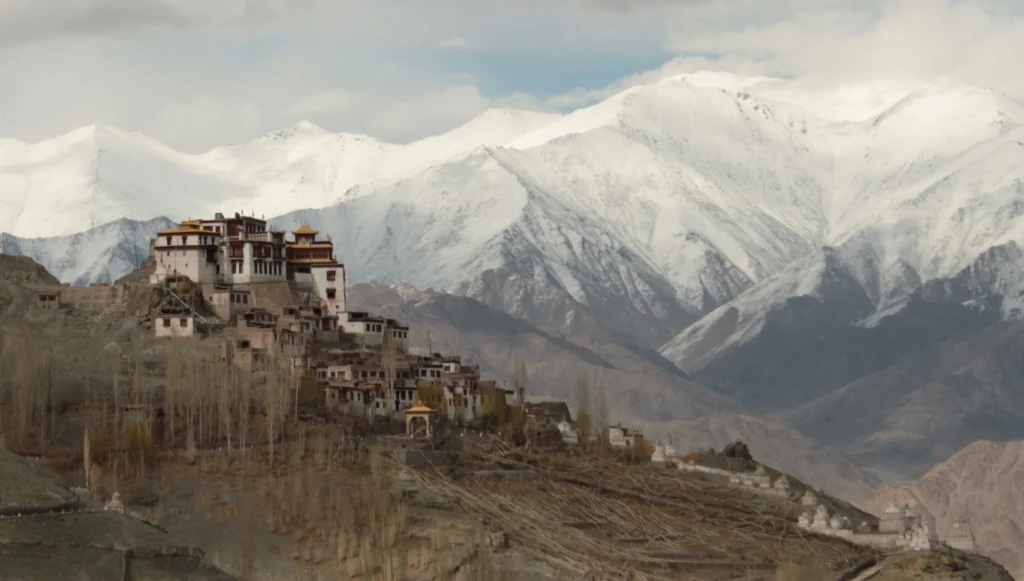
The Himalayan mountain ranges act as a natural barrier, blocking most monsoon clouds from reaching the region. As a result:
- Summers are dry and sunny.
- Winters are extremely cold.
- Vegetation is limited to river valleys and irrigated areas.
This unique climate creates Ladakh’s dramatic landscapes.
4. A Historic Stop on the Ancient Silk Route
Centuries ago, Ladakh served as an important trading hub on the Silk Route.
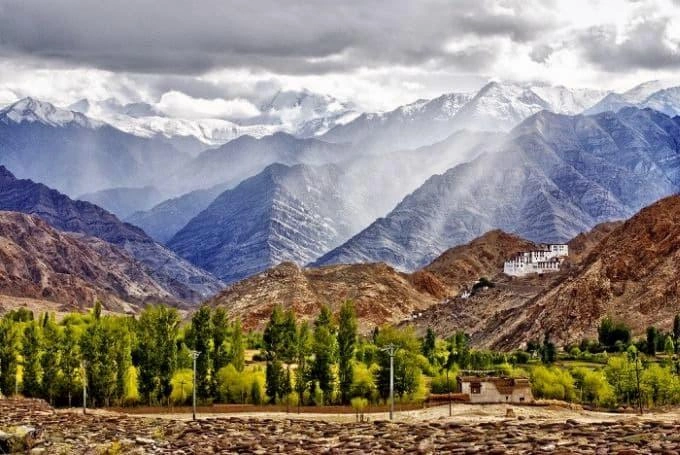
Merchants traveling between India, Tibet, Central Asia, and China passed through Ladakh carrying:
- Silk
- Tea
- Spices
- Precious stones
- Wool
The cultural influences from these trade exchanges can still be seen in Ladakh’s architecture, cuisine, and traditions.
5. The Mystery of Magnetic Hill
One of Ladakh’s most famous curiosities is Magnetic Hill.
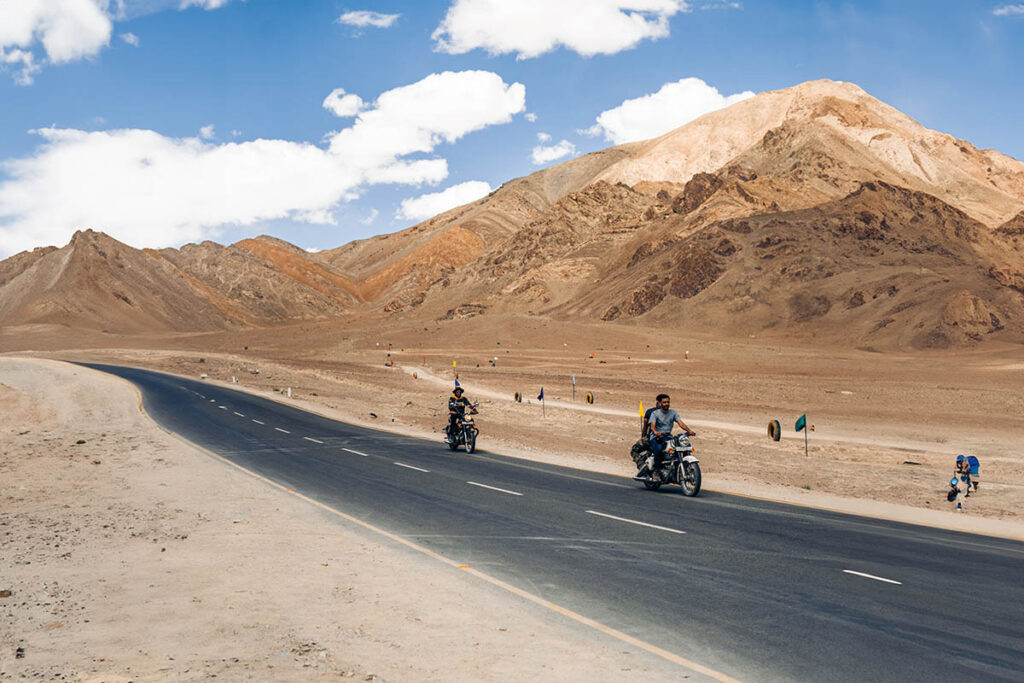
At this location, vehicles appear to roll uphill even when the engine is switched off. While many visitors believe it is caused by magnetic forces, scientists explain that it is actually an optical illusion created by the surrounding landscape.
Regardless of the explanation, it remains a fascinating stop for travelers.
6. Lamayuru Is Known as the Moonland of India
The landscape around Lamayuru looks unlike anywhere else in India.
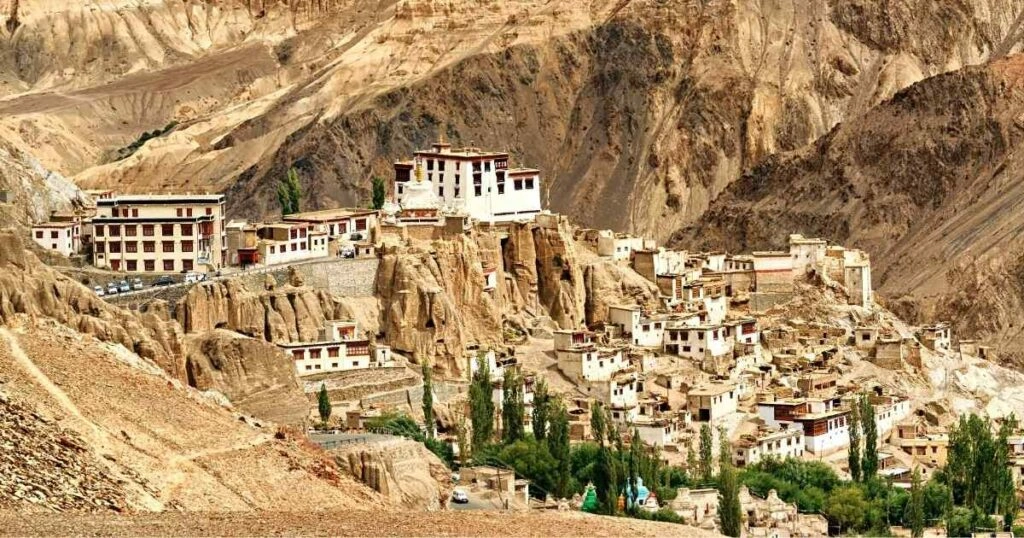
Its unusual rock formations, eroded cliffs, and pale-colored terrain resemble the surface of the moon, earning it the nickname “Moonland.”
Photographers and nature lovers often consider Lamayuru one of Ladakh’s most visually unique destinations.
7. One of the Best Places to Spot Snow Leopards
Ladakh is among the world’s top destinations for spotting the elusive Snow Leopard.
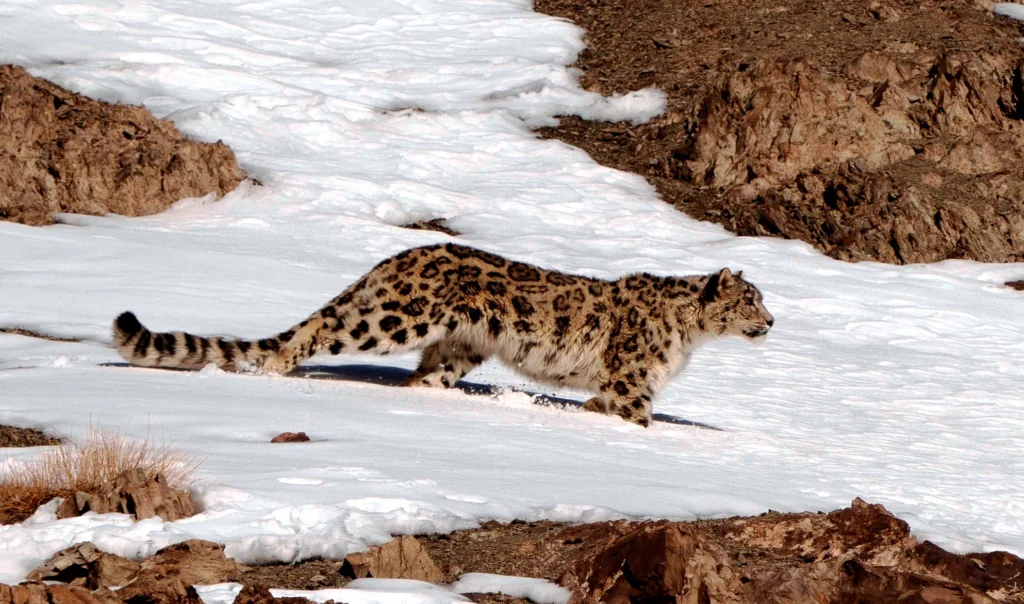
During winter, these rare big cats descend to lower elevations in search of prey. Specialized wildlife tours in areas such as Hemis National Park offer visitors the chance to observe this endangered predator in its natural habitat.
Snow Leopard sightings remain one of Ladakh’s most sought-after wildlife experiences.
8. c Help Solve Water Shortages
Ladakh has become globally recognized for an innovative water conservation project known as Ice Stupas.
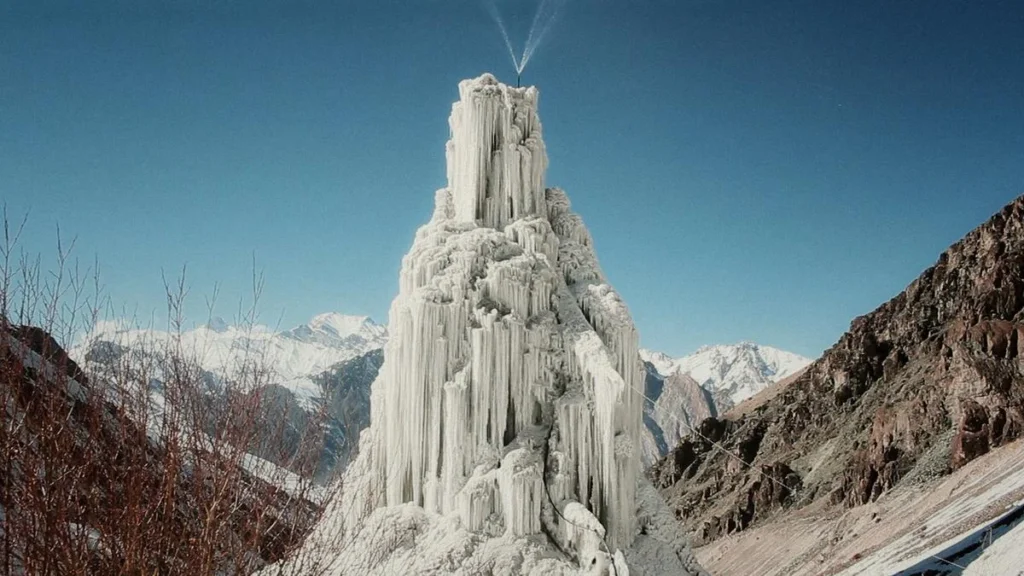
Popularized by engineer and education reformer Sonam Wangchuk, Ice Stupas are artificial glaciers created during winter. They slowly melt during spring, providing valuable water for agriculture when natural water sources are scarce.
This sustainable solution has gained international attention for combating climate-related water challenges.
9. The Indus River Flows Through Ladakh
The mighty Indus River flows through Ladakh before entering Pakistan.
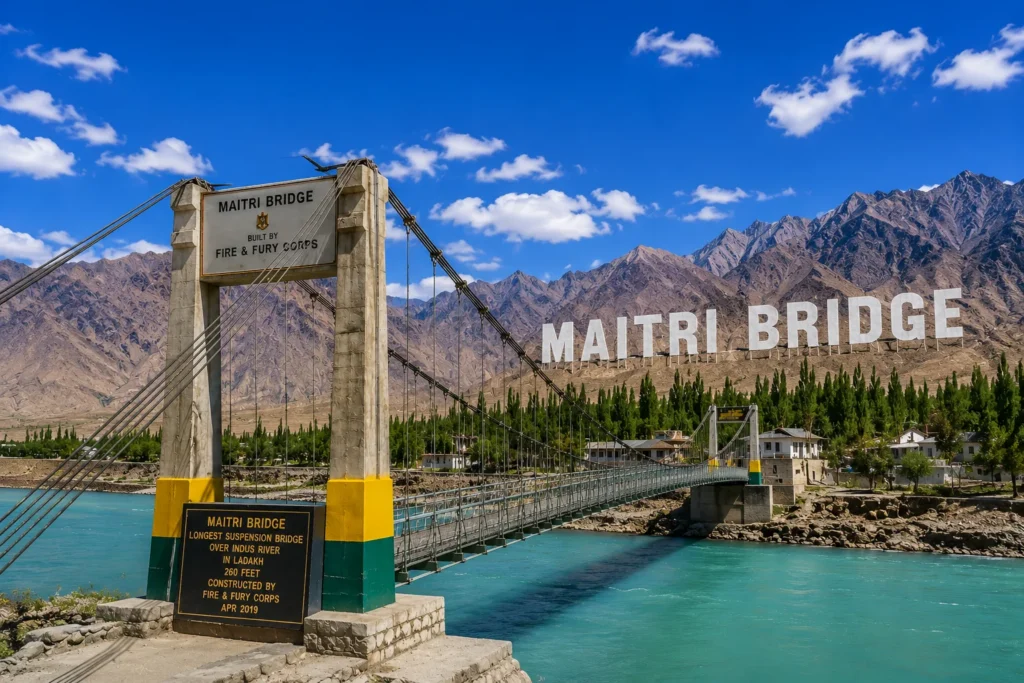
The river has immense historical significance because the name “India” is derived from the Indus. Several important settlements and agricultural communities in Ladakh depend on the river’s waters.
The confluence of the Indus and Zanskar rivers is also one of the region’s most popular attractions.
10. Ladakh Has Some of India’s Clearest Night Skies
Due to its high altitude, dry climate, and minimal light pollution, Ladakh offers exceptional conditions for stargazing.
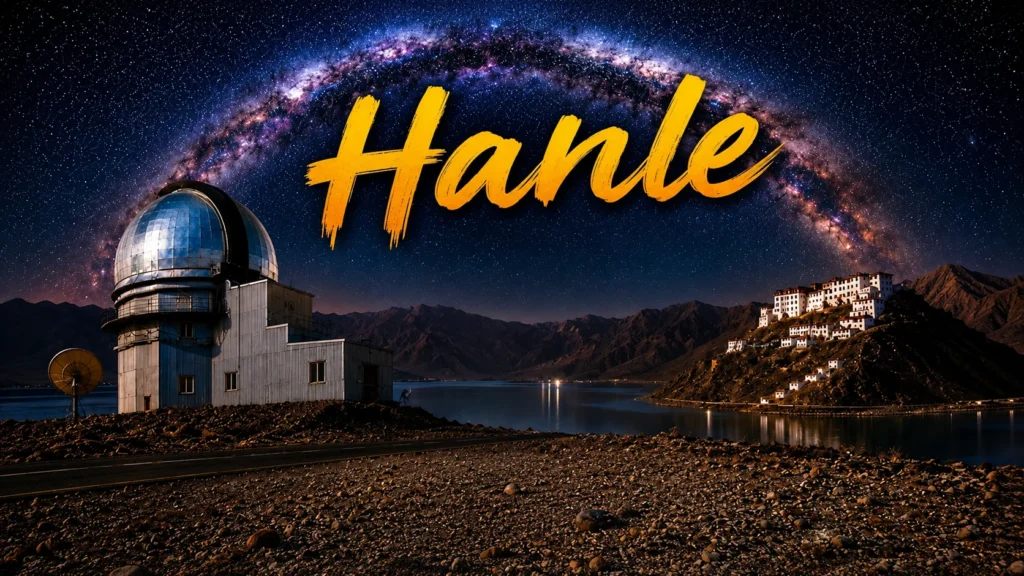
Visitors can witness:
- The Milky Way
- Meteor showers
- Thousands of visible stars
- Stunning astrophotography opportunities
Remote villages and high-altitude camps provide unforgettable night-sky experiences.
An Interesting Unknown Fact About Ladakhi Homes
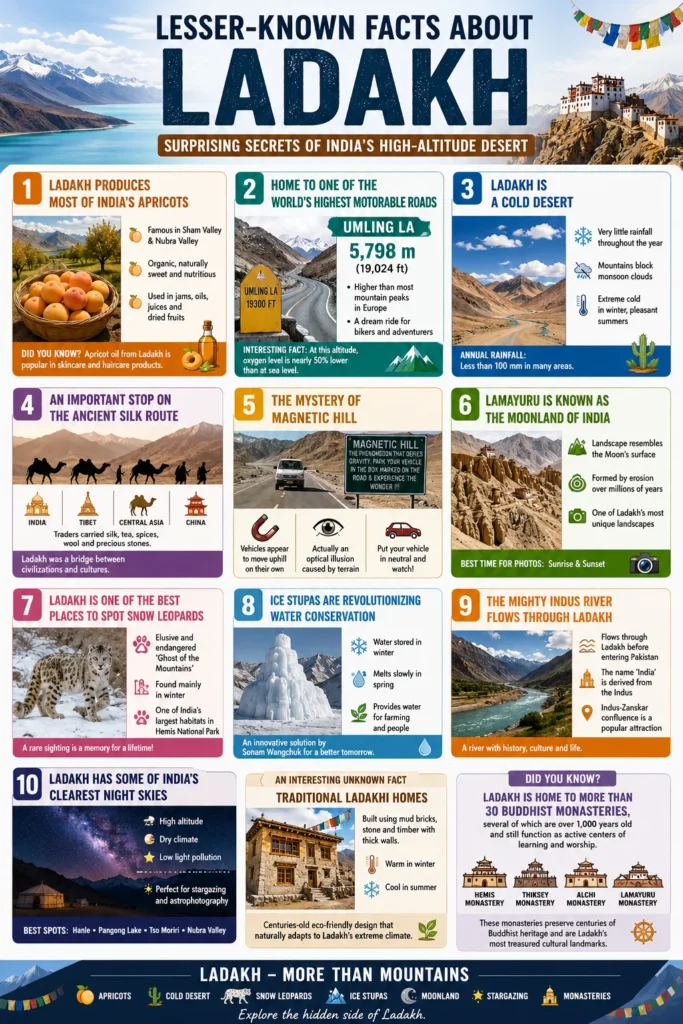
Traditional Ladakhi houses are masterpieces of sustainable architecture.
Built using locally available mud bricks, stone, and timber, these homes feature thick walls that naturally regulate indoor temperatures.
This centuries-old design helps:
- Keep interiors warm during harsh winters
- Maintain cooler temperatures during summer
- Reduce the need for modern heating and cooling systems
Long before modern eco-friendly construction became popular, Ladakh’s traditional builders had already mastered climate-responsive architecture
.
Did You Know?
Ladakh is home to more than 30 Buddhist monasteries, many of which are several centuries old. Some monasteries are believed to be over 1,000 years old and continue to function as active centers of learning, meditation, and worship.
Famous monasteries include:
These monasteries preserve ancient Buddhist traditions and remain important cultural landmarks of Ladakh.
Conclusion
Ladakh is far more than a destination for adventure seekers. It is a region rich in history, innovation, culture, wildlife, and natural wonders. Whether it is producing India’s famous apricots, preserving centuries-old monasteries, protecting Snow Leopards, or pioneering Ice Stupas, Ladakh continues to amaze visitors with its unique stories and hidden treasures.
The next time you visit Ladakh, look beyond the famous attractions—you may discover a side of the Himalayas that few travelers ever see.