

Introduction
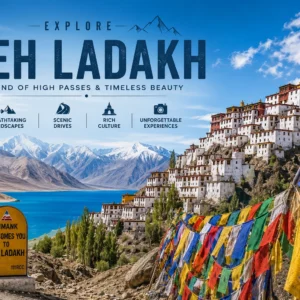
Stok Monastery is a hidden gem among the many monasteries in Ladakh. Perched on a hill overlooking the charming village of Stok, it offers spectacular Himalayan scenery, peaceful surroundings, and an authentic glimpse into Tibetan Buddhist traditions. The monastery is especially notable for its historical ties with the Namgyal dynasty, making it an important destination for travelers interested in both Ladakh’s royal heritage and Buddhist culture.
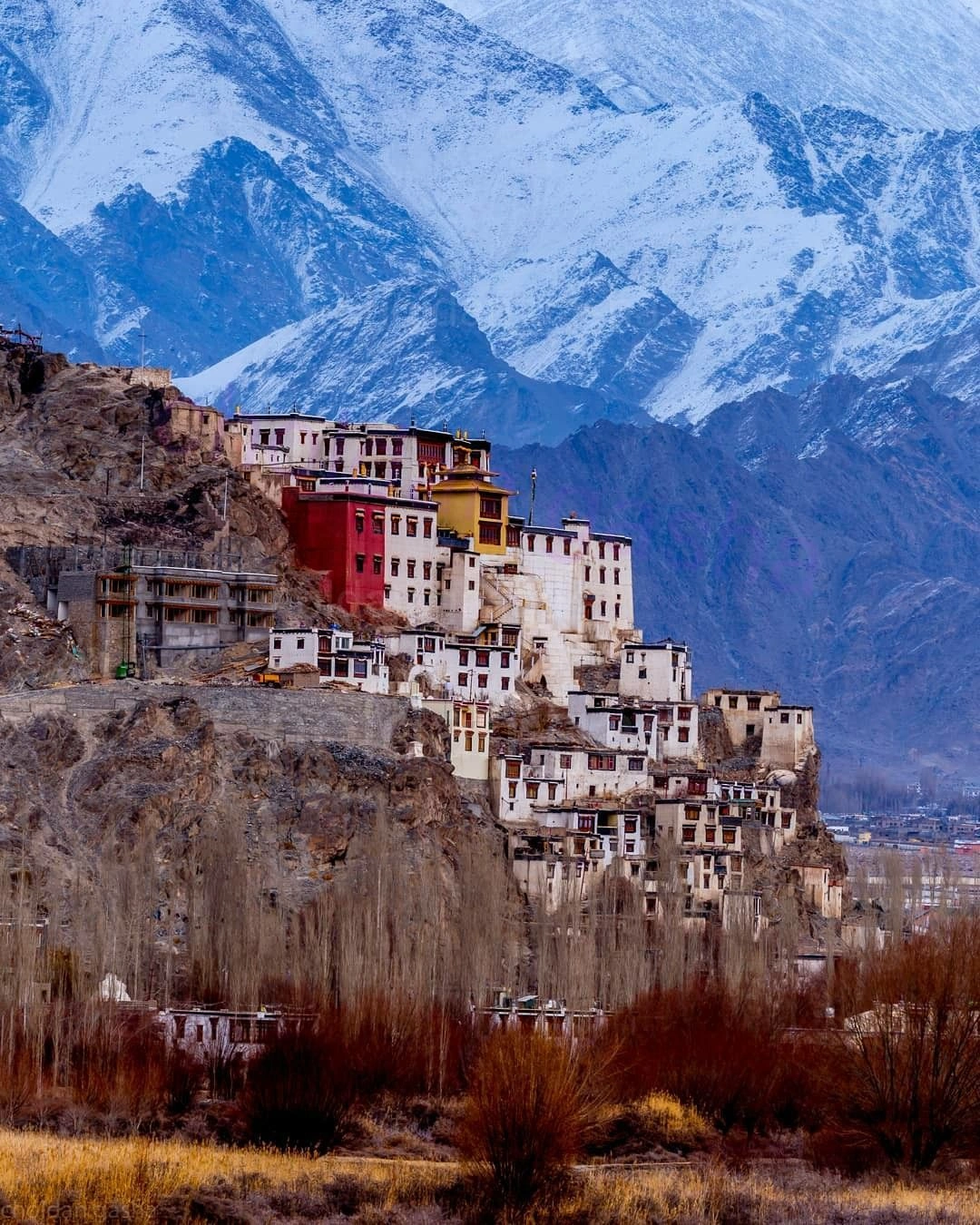
Today, Stok Monastery remains an active center of worship where monks continue centuries-old religious practices while preserving invaluable murals, statues, scriptures, and sacred relics.
| Details | Information |
|---|---|
| Location | Stok Village, Leh District, Ladakh, India |
| District | Leh |
| Altitude | Approximately 3,640 metres (11,942 feet) |
| Founded | 14th Century (expanded during the 19th century) |
| Buddhist School | Gelug (Yellow Hat School) |
| Founder | Traditionally attributed to Lama Lhawang Lotus |
| Best Time to Visit | May to September |
| Entry Fee | ₹30–₹50 (museum charges may apply separately) |
| Timings | 8:00 AM – 5:00 PM |
| Photography Rules | Outdoor photography allowed; permission may be required inside temples and museums |
| Nearby Attractions | Stok Palace Museum, Shey Palace, Thiksey Monastery, Sindhu Ghat, Leh Palace |
| Distance from Leh | Approximately 15 km |
History of Stok Monastery
Founding History
Stok Monastery was established during the 14th century as a center for Buddhist learning and meditation. Over time, it became one of the respected Gelug monasteries in central Ladakh.

 6°C
6°C
- Temperature
- Rain Chance
- Wind


Founder and Lineage
The monastery is traditionally associated with Lama Lhawang Lotus and follows the Gelug tradition of Tibetan Buddhism founded by Je Tsongkhapa.
Important Historical Events
The monastery gained greater prominence during the 19th century when the Namgyal royal family moved to nearby Stok Palace after the Dogra invasion of Ladakh. Since then, Stok Monastery has maintained close ties with Ladakh’s royal household.
Role in Ladakh’s Buddhist Heritage
For centuries, the monastery has served as an important center for Buddhist education, meditation, religious ceremonies, and preservation of Tibetan culture.
Legends and Folklore
Local folklore suggests that the surrounding mountains are blessed by protective Buddhist deities, while many villagers believe the monastery safeguards the spiritual well-being of the entire valley.
Architecture and Design
Stok Monastery showcases classic Tibetan Himalayan architecture with whitewashed walls, beautifully carved wooden windows, golden rooftops, and colorful prayer flags fluttering in the mountain breeze.
Exterior Architecture
The monastery’s multi-level structure is built on a hillside, providing breathtaking views of the Indus Valley and Stok Kangri mountain range.
Prayer Halls
The spacious assembly hall features intricately painted ceilings, carved wooden pillars, traditional seating arrangements, and elaborate altars used during religious ceremonies.
Ancient Murals
Beautiful murals depict the life of Buddha, Buddhist cosmology, guardian deities, and legendary spiritual masters.
Thangkas
The monastery houses exquisite hand-painted Thangkas portraying Buddha Shakyamuni, Avalokiteshvara, Tsongkhapa, and Guru Padmasambhava.
Statues
Visitors can admire sacred statues of:
- Buddha Shakyamuni
- Maitreya Buddha
- Guru Padmasambhava
- Tsongkhapa
- Avalokiteshvara
Monastery Layout
The monastery complex includes:
- Main temple
- Assembly hall
- Meditation rooms
- Residential quarters
- Courtyard
- Library
- Prayer wheel area
- Viewing terraces
Unique Artistic Elements
Highlights include intricate wood carvings, painted mandalas, gilded sculptures, ceremonial masks, and beautifully preserved Buddhist artwork.
Restoration Efforts
Several restoration projects have helped preserve the monastery’s historic architecture, murals, statues, and sacred manuscripts while maintaining its traditional appearance.
Religious Significance
Stok Monastery follows the Gelug School of Tibetan Buddhism and remains an active place of worship.
Daily religious activities include:
- Morning prayers
- Meditation sessions
- Chanting ceremonies
- Scripture recitation
- Ritual offerings
- Dharma teachings
The monastery continues to educate young monks in Buddhist philosophy, meditation, debate, and traditional rituals, preserving Ladakh’s rich spiritual heritage.
What to See Inside Stok Monastery
Main Temple
The beautifully decorated temple houses magnificent Buddha statues and richly painted interiors.
Assembly Hall
The prayer hall serves as the spiritual heart of the monastery, where monks gather for daily ceremonies.
Buddha Statues
Several large statues crafted from clay and gilded metal are among the monastery’s highlights.
Ancient Murals
Colorful wall paintings illustrate Buddhist teachings and sacred stories.
Library
The monastery preserves valuable Tibetan scriptures and religious manuscripts.
Courtyards
The peaceful courtyards provide a relaxing atmosphere and excellent photography opportunities.
Scenic Viewpoints
Visitors can enjoy panoramic views of:
- Stok Village
- Indus Valley
- Stok Kangri
- Himalayan mountain ranges
Sacred Relics
The monastery safeguards ceremonial objects, ancient manuscripts, ritual instruments, and precious Buddhist relics.
Festivals Celebrated at Stok Monastery
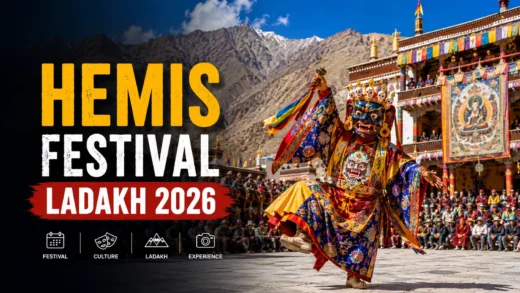
Stok Guru Tsechu
Usually Celebrated: February or March
The monastery’s most important festival honors Guru Padmasambhava.
Festival Highlights
- Sacred Buddhist rituals
- Prayer ceremonies
- Blessing rituals
- Traditional offerings
- Community celebrations
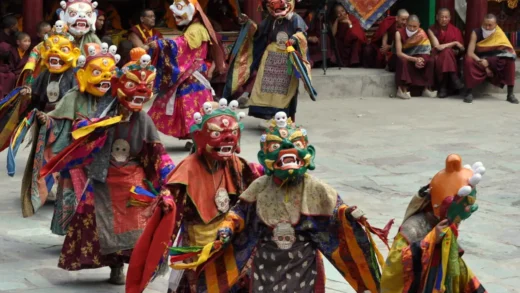
Cham Mask Dances
Monks perform colorful masked dances symbolizing the victory of wisdom over evil and ignorance.
Cultural Importance
The festival preserves centuries-old Buddhist traditions while bringing together monks, pilgrims, and visitors from across Ladakh.
Visitor Experience
Festival visitors can witness:
- Traditional music
- Sacred dances
- Elaborate costumes
- Religious ceremonies
- Local cultural performances
Things to Do at Stok Monastery
- Explore the monastery’s historic prayer halls.
- Visit the nearby Stok Palace Museum.
- Observe traditional Buddhist rituals.
- Learn about Ladakh’s royal history.
- Enjoy panoramic Himalayan views.
- Photograph traditional architecture.
- Experience peaceful meditation.
- Interact respectfully with local monks.
- Walk through scenic Stok Village.
- Shop for local handicrafts.
Photography Guide
Best Photo Spots
- Monastery entrance
- Upper terraces
- Prayer flag viewpoints
- Courtyard
- Stok Palace backdrop
Sunrise Photography
Early morning offers soft lighting, fewer visitors, and spectacular mountain views.
Sunset Photography
Golden-hour light beautifully illuminates the monastery and surrounding Himalayan peaks.
Drone Regulations
Drone operations generally require permission from local authorities. Flying drones near religious ceremonies is discouraged.
Photography Etiquette
- Ask permission before photographing monks.
- Avoid flash photography inside temples.
- Respect prayer ceremonies.
- Follow all posted photography rules.
How to Reach Stok Monastery
By Air
The nearest airport is Kushok Bakula Rimpochee Airport in Leh, approximately 17 km away.
By Road
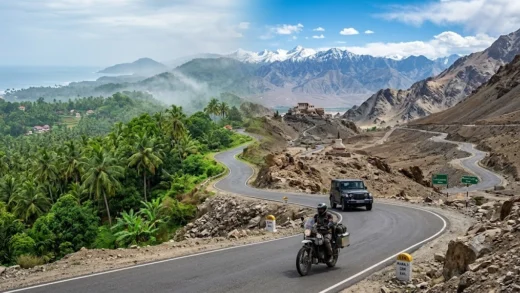
The monastery is easily accessible via a well-maintained road from Leh, taking around 30–40 minutes.
By Bike
Motorcycle enthusiasts often include Stok Monastery in their Leh sightseeing circuit.
By Taxi
Private taxis are readily available from Leh for half-day and full-day excursions.
By Public Transport
Limited local buses and shared taxis connect Leh with Stok Village.
Distance Chart
| Destination | Approximate Distance |
|---|---|
| Leh | 15 km |
| Nubra Valley | 135 km |
| Pangong Lake | 170 km |
| Lamayuru | 140 km |
| Kargil | 220 km |
| Alchi | 80 km |
| Diskit | 135 km |
| Hanle | 255 km |
Best Time to Visit
Summer (May to September)
The best season for visiting, with pleasant weather, clear roads, vibrant festivals, and excellent sightseeing opportunities.
Autumn (October)
Golden landscapes, crisp mountain air, and fewer crowds make autumn ideal for photographers.
Winter (November to February)
Snow transforms the monastery into a magical destination, though temperatures are extremely cold.
Spring (March to April)
Melting snow and blooming landscapes create beautiful scenery with moderate tourist crowds.
Nearby Attractions
Stok Palace Museum
The former royal residence displays traditional costumes, royal artifacts, jewelry, manuscripts, and ceremonial weapons.
Shey Palace
A historic palace featuring one of Ladakh’s largest copper-gilded Buddha statues.
Thiksey Monastery
One of the largest and most beautiful monasteries in Ladakh, famous for its towering Maitreya Buddha.
Sindhu Ghat
A peaceful riverside destination on the banks of the Indus River known for cultural festivals.
Leh Palace
A historic nine-story palace offering panoramic views of Leh and the surrounding mountains.
Travel Tips
- Spend at least 48 hours acclimatizing in Leh before visiting.
- Carry warm clothing, even during summer.
- Wear comfortable walking shoes.
- Dress modestly inside the monastery.
- Maintain silence during religious ceremonies.
- Carry cash for donations and entry fees.
- Always ask permission before taking photographs indoors.
- Mobile connectivity is available but may be limited.
- The nearest ATMs are located in Leh.
- Carry water, sunscreen, sunglasses, and a hat due to the high altitude.
Lesser-Known Facts About Stok Monastery
- Stok Monastery has a unique historical connection with Ladakh’s royal family.
- The monastery preserves rare Buddhist manuscripts and ceremonial artifacts.
- Many religious objects displayed during festivals remain hidden from public view for most of the year.
- The nearby Stok Palace is still associated with the descendants of the Namgyal dynasty.
- The monastery offers excellent views of the famous Stok Kangri mountain.
Why You Should Visit Stok Monastery
Stok Monastery offers an unforgettable blend of spirituality, history, architecture, and breathtaking Himalayan scenery. Its royal heritage, active Buddhist traditions, ancient artwork, and peaceful atmosphere make it one of the most rewarding Buddhist monasteries in Ladakh. Whether you are following a Ladakh travel guide, exploring Ladakh tourism, or searching for unique things to do in Ladakh, Stok Monastery promises a deeply enriching experience.
Frequently Asked Questions
1. Where is Stok Monastery located?
Stok Monastery is located in Stok Village, approximately 15 km southeast of Leh in Ladakh.
2. Which Buddhist school does Stok Monastery belong to?
It belongs to the Gelug School of Tibetan Buddhism.
3. Is there an entry fee?
Yes, visitors generally pay a small entry fee, with separate charges for the museum if applicable.
4. What is Stok Monastery famous for?
It is famous for its royal connections, ancient Buddhist art, scenic location, and the annual Stok Guru Tsechu festival.
5. Can visitors take photographs inside the monastery?
Photography is generally allowed outdoors, while indoor photography may require permission.
6. How much time is needed to visit?
Most visitors spend around 1.5 to 2.5 hours exploring the monastery and nearby palace.
7. When is the best time to visit?
May to September offers the best weather and road conditions.
8. Is the monastery suitable for families?
Yes. It is a peaceful destination suitable for visitors of all ages.
9. Can I visit other attractions nearby?
Yes. Popular nearby attractions include Stok Palace, Shey Palace, Thiksey Monastery, Sindhu Ghat, and Leh Palace.
10. Why should I include Stok Monastery in my Ladakh itinerary?
Its unique combination of Buddhist spirituality, royal history, stunning architecture, and spectacular Himalayan views makes it one of Ladakh’s must-visit cultural landmarks.
Conclusion
Stok Monastery is much more than a historic Buddhist monastery—it is a living symbol of Ladakh’s spiritual traditions, royal legacy, and artistic excellence. From its beautifully preserved murals and sacred relics to its panoramic mountain vistas and vibrant religious festivals, every corner of the monastery reflects centuries of devotion and cultural heritage. Whether you are a history enthusiast, photographer, pilgrim, or adventure traveler, Stok Monastery offers a memorable journey into the heart of Ladakh’s timeless Buddhist culture, making it an essential destination for every traveler exploring the Land of High Passes.