
Introduction
Perched dramatically on a rocky hill in the remote Suru Valley, Rangdum Monastery is one of the most isolated yet breathtakingly beautiful monasteries in Ladakh. Surrounded by barren mountains, lush patches of green valley, and glacial rivers, it stands as a striking contrast to the harsh Himalayan landscape.
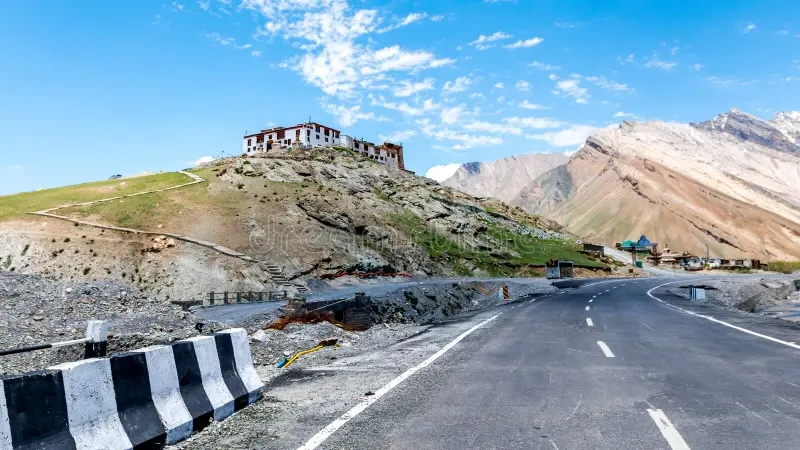
Often included in curated Monasteries in Ladakh itineraries, Rangdum Monastery is not just a spiritual site but also a living symbol of Tibetan Buddhist culture in one of India’s most remote regions. Its peaceful isolation, ancient traditions, and panoramic views make it a must-visit for anyone exploring Ladakh Tourism and seeking deeper cultural experiences beyond popular destinations like Leh and Nubra.
| Detail | Information |
|---|---|
| Location | Rangdum Village, Suru Valley |
| District | Kargil District, Ladakh |
| Altitude | ~3,657 m (12,000 ft) |
| Founded | 18th Century |
| Buddhist School | Gelugpa (Yellow Hat Sect) |
| Founder | Tibetan Buddhist lineage followers of Gelug tradition |
| Best Time to Visit | May to September |
| Entry Fee | Free (donations appreciated) |
| Timings | 7:00 AM – 6:00 PM (approx.) |
| Photography Rules | Allowed outside; restricted in prayer areas |
| Nearby Attractions | Suru Valley, Parkachik Glacier, Panikhar, Drang Drung Glacier |
| Distance from Leh | ~250 km |
History of Rangdum Monastery
Founding History
Rangdum Monastery was established in the 18th century under the influence of the Gelugpa school of Tibetan Buddhism. It was built as a remote spiritual outpost to spread Buddhist teachings in the Suru Valley region.

 8°C
8°C
- Temperature
- Rain Chance
- Wind

Founder and Lineage
The monastery is linked to the Gelugpa lineage, the same tradition followed by the Dalai Lama. It was founded under the guidance of Tibetan Buddhist scholars who sought to strengthen monastic presence in western Ladakh.
Important Historical Events
- Served as a spiritual retreat for monks traveling between Zanskar and Kargil
- Became an important stop for ancient trade and pilgrimage routes
- Acted as a cultural bridge between Ladakh and Tibetan Buddhism
Role in Ladakh’s Buddhist Heritage
Rangdum Monastery plays a crucial role in preserving Buddhist teachings in the Suru Valley, especially in a region where villages are widely scattered and remote.
Legends and Folklore
Local legends say the monastery was built on a site chosen by meditating monks who received divine visions of peace and protection over the valley.
Architecture and Design
Exterior Architecture
The monastery resembles a fortified structure, blending seamlessly with the rocky hilltop. Its whitewashed walls and mud-brick construction reflect traditional Ladakhi architectural style.
Prayer Halls
Inside, the prayer halls are modest but deeply spiritual, filled with incense, butter lamps, and chanting monks.
Ancient Murals
The walls contain faded yet powerful murals depicting Buddhist deities, mandalas, and protective figures.
Thangkas
Beautiful hand-painted thangkas (scroll paintings) are displayed during special rituals.
Statues
The main hall houses statues of Lord Buddha and other revered Bodhisattvas.
Monastery Layout
The monastery complex includes:
- Main prayer hall
- Monk quarters
- Assembly courtyard
- Meditation spaces
Unique Artistic Elements
Wooden carvings and painted beams showcase traditional Tibetan craftsmanship.
Restoration Efforts
Occasional restoration work is done to preserve murals and structural stability due to harsh weather conditions.
Religious Significance
Buddhist Traditions Practiced
The monastery follows Gelugpa rituals, including daily chanting, meditation, and ritual offerings.
Important Deities
- Lord Buddha
- Avalokiteshvara (Compassion)
- Manjushri (Wisdom)
Spiritual Importance
It serves as a meditation center for monks seeking isolation and spiritual discipline.
Monastic Life
Monks follow a disciplined routine of prayers, study, and community service.
Daily Rituals
- Morning prayers
- Butter lamp offerings
- Chanting of sacred texts
What to See Inside the Monastery
- Main Temple: Spiritual heart of Rangdum Monastery
- Assembly Hall: Where monks gather for prayers
- Buddha Statues: Central objects of devotion
- Murals: Ancient depictions of Buddhist cosmology
- Courtyards: Open spaces with panoramic mountain views
- Viewpoints: Stunning views of Suru Valley and glaciers
- Sacred Relics: Preserved religious artifacts
Festivals Celebrated at Rangdum Monastery
Festivals
- Losar (Tibetan New Year)
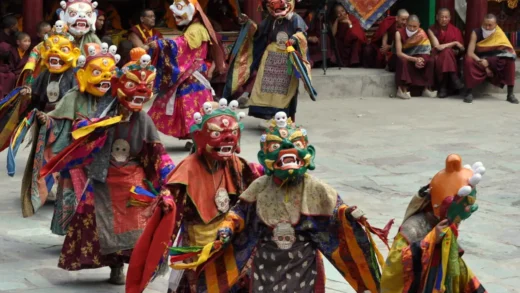
- Mask Dance Festival (Cham Dance)
Rituals
- Cham dances performed by monks in elaborate costumes
- Ritual chanting and offerings
Cultural Importance
These festivals strengthen community bonds and preserve Tibetan Buddhist traditions in Ladakh.
Visitor Experience
Travelers can witness colorful masked performances and traditional music during festival times.
Things to Do at Rangdum Monastery
- Meditate in peaceful surroundings
- Explore ancient prayer halls
- Photograph panoramic Himalayan landscapes
- Interact with monks (respectfully)
- Explore nearby Suru Valley villages
- Enjoy stargazing at night due to minimal light pollution
Photography Guide
Best Photo Spots
- Hilltop view of the monastery
- Suru Valley backdrop
- Sunrise over Himalayan peaks
Sunrise Photography
Golden light illuminating the monastery is one of Ladakh’s most magical views.
Sunset Photography
Soft orange hues over the mountains create dramatic silhouettes.
Drone Regulations
Drone usage may be restricted—always seek local permission.
Photography Etiquette
- Avoid flash inside prayer halls
- Respect monk privacy
- Do not disturb rituals
How to Reach Rangdum Monastery
By Air
Nearest airport: Leh Kushok Bakula Rimpochee Airport. From there, travel by road via Kargil.
By Road
- Leh → Kargil → Suru Valley → Rangdum
Road journey takes 8–10 hours from Kargil.
By Bike
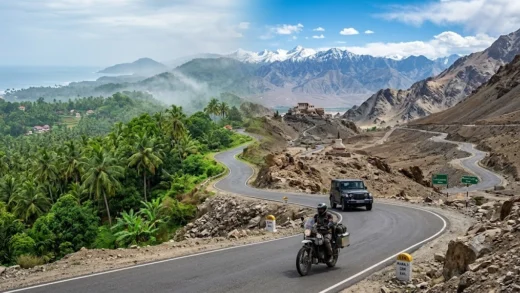
Popular among adventure bikers exploring Ladakh Travel Guide routes, especially via the Srinagar–Kargil–Zanskar circuit.
By Taxi
Private taxis from Leh or Kargil are the most comfortable option.
By Public Transport
Limited bus services operate toward Kargil and nearby Suru Valley villages.
Distance Chart
| Destination | Distance |
|---|---|
| Leh | ~250 km |
| Nubra Valley | ~320 km |
| Pangong Lake | ~380 km |
| Lamayuru | ~180 km |
| Kargil | ~130 km |
| Alchi | ~220 km |
| Diskit | ~330 km |
| Hanle | ~420 km |
Best Time to Visit
Summer (May–September)
Best season with open roads, green valleys, and clear skies.
Autumn (September–October)
Crisp weather and golden landscapes, ideal for photography.
Winter (November–March)
Extremely harsh; monastery may be inaccessible due to snow.
Spring (April–May)
Melting snow and early bloom make the valley scenic but roads may still be challenging.
Nearby Attractions
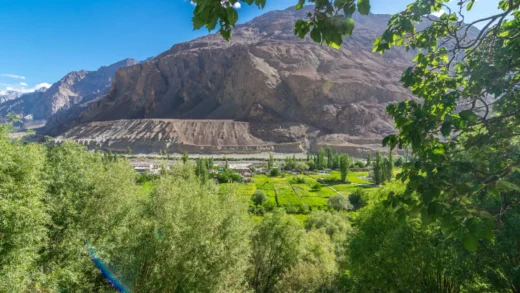
- Suru Valley – lush green valley contrasting Ladakh’s desert terrain
- Parkachik Glacier – dramatic ice formations
- Drang Drung Glacier – one of the largest glaciers in Zanskar
- Panikhar Village – scenic Himalayan settlement
- Rangdum Village – cultural insights into local life
Travel Tips
- Acclimatize properly before traveling from Leh
- Carry warm clothing even in summer
- Respect local customs and monastery rules
- Donations are appreciated for maintenance
- Mobile network is extremely limited
- ATMs are not available nearby—carry cash
- Avoid loud behavior inside monastery premises
Lesser-Known Facts About Rangdum Monastery
- It is one of the most isolated monasteries in Ladakh
- The monastery overlooks a glacial valley rarely visited by tourists
- Despite its remoteness, it maintains active monastic life
- It serves as a spiritual stop between Zanskar and Kargil routes
Why You Should Visit Rangdum Monastery
Rangdum Monastery is not just a destination—it is an experience of silence, spirituality, and Himalayan grandeur. Unlike crowded monasteries in Leh, it offers pure isolation, making it one of the most authentic Things to Do in Ladakh for travelers seeking peace and reflection.
Its remote location, ancient Buddhist traditions, and breathtaking landscape make it one of the most underrated yet powerful Buddhist Monasteries in Ladakh.
Frequently Asked Questions
1. Where is Rangdum Monastery located?
It is located in Rangdum Village in Suru Valley, Kargil district, Ladakh.
2. What is the altitude of Rangdum Monastery?
Approximately 3,657 meters above sea level.
3. Which Buddhist sect follows Rangdum Monastery?
It belongs to the Gelugpa school of Tibetan Buddhism.
4. Is there an entry fee?
No, entry is free but donations are welcome.
5. What is the best time to visit Rangdum Monastery?
May to September is ideal for travel.
6. How far is Rangdum Monastery from Leh?
Around 250 km by road.
7. Are photography and drones allowed?
Photography is allowed outside; drones may require permission.
8. Is accommodation available nearby?
Basic homestays and guesthouses are available in Rangdum village.
9. What are the main festivals celebrated?
Losar and Cham Dance Festival are the main celebrations.
10. Is Rangdum Monastery worth visiting?
Yes, it is one of the most scenic and peaceful monasteries in Ladakh.
Conclusion
Rangdum Monastery stands as a hidden jewel of Ladakh’s spiritual landscape. Surrounded by untouched Himalayan wilderness, it offers travelers a rare blend of silence, devotion, and natural beauty.
For those exploring Ladakh Tourism, this monastery is more than a stop—it is a journey into peace and ancient wisdom. Whether you are a photographer, pilgrim, or explorer, Rangdum Monastery promises an unforgettable experience that reflects the true soul of the Himalayas