

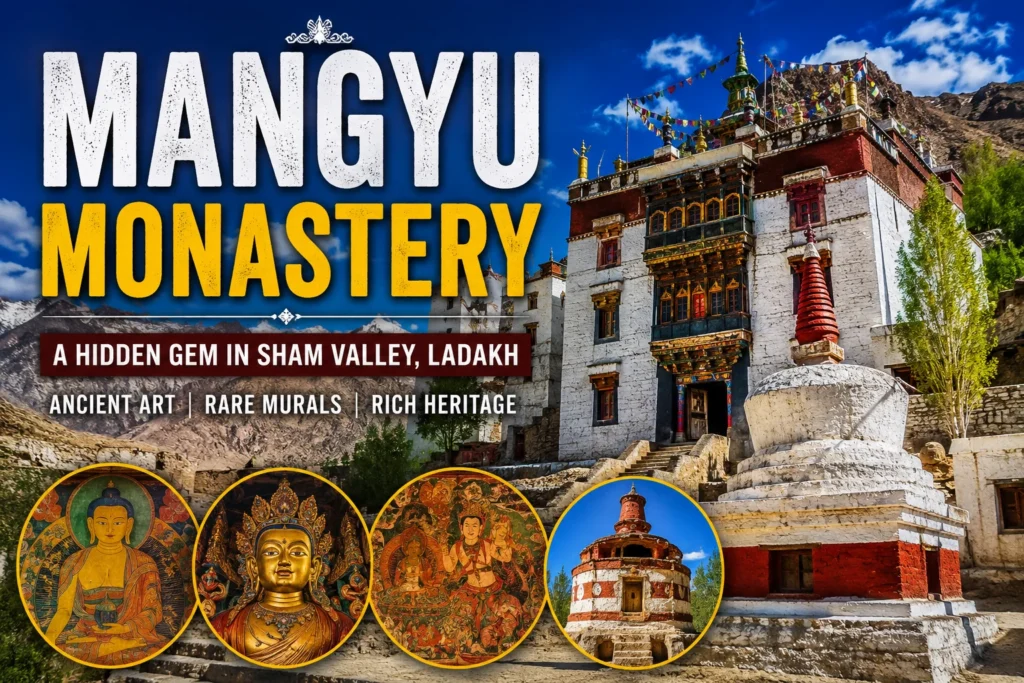
Mangyu Monastery (or Mangyu Gompa / Mangue Monastery) is an ancient and historic Buddhist site in the Sham Valley of Ladakh, India. Located approximately 70 km from Leh, the centuries-old complex is celebrated for its pristine, crowd-free atmosphere and magnificent Indo-Tibetan murals and clay statues dating back to the 11th–13th centuries.
Introduction
Nestled in the serene village of Mangyu in western Ladakh, Mangyu Monastery is one of the region’s most underrated spiritual treasures. While famous monasteries such as Hemis and Thiksey attract large crowds, Mangyu Monastery offers visitors a quieter and more authentic glimpse into Ladakh’s rich Buddhist heritage.
The Mangyu Monastery (or Gompa) is one of the oldest and most historically significant Buddhist heritage sites in Ladakh. Often overshadowed by nearby Alchi Monastery, Mangyu Monastery houses some of the oldest surviving Buddhist murals and sculptures in Ladakh. Its ancient artwork, sacred atmosphere, and remarkable history make it an essential stop for travelers seeking deeper cultural experiences during their Ladakh journey.

 -1°C
-1°C
- Temperature
- Rain Chance
- Wind



For anyone interested in monasteries in Ladakh, Buddhist art, and ancient Himalayan history, Mangyu Monastery provides a fascinating window into the golden age of Buddhism in the region.
| Details | Information |
|---|---|
| Location | Mangyu Village, Lower Ladakh |
| District | Leh District, Ladakh |
| Altitude | Approximately 3,400 meters (11,155 ft) |
| Founded | Around the 11th–12th Century CE |
| Buddhist School | Drikung Kagyu tradition (historically linked with early Tibetan Buddhism) |
| Founder | Traditionally associated with disciples of the great translator Rinchen Zangpo |
| Best Time to Visit | May to September |
| Entry Fee | Usually Free (donations appreciated) |
| Timings | 7:00 AM – 6:00 PM (may vary) |
| Photography Rules | Allowed in exterior areas; permission may be required inside temples |
| Nearby Attractions | Alchi Monastery, Likir Monastery, Basgo Palace, Lamayuru Monastery |
| Distance from Leh | Approximately 75 km |
Mangyu / Mangue Village
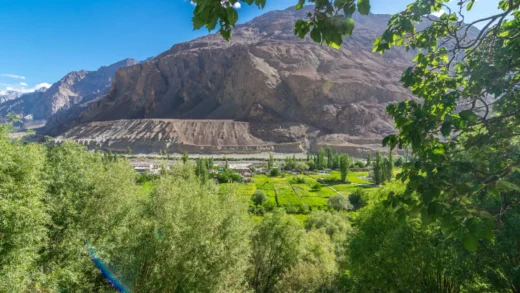
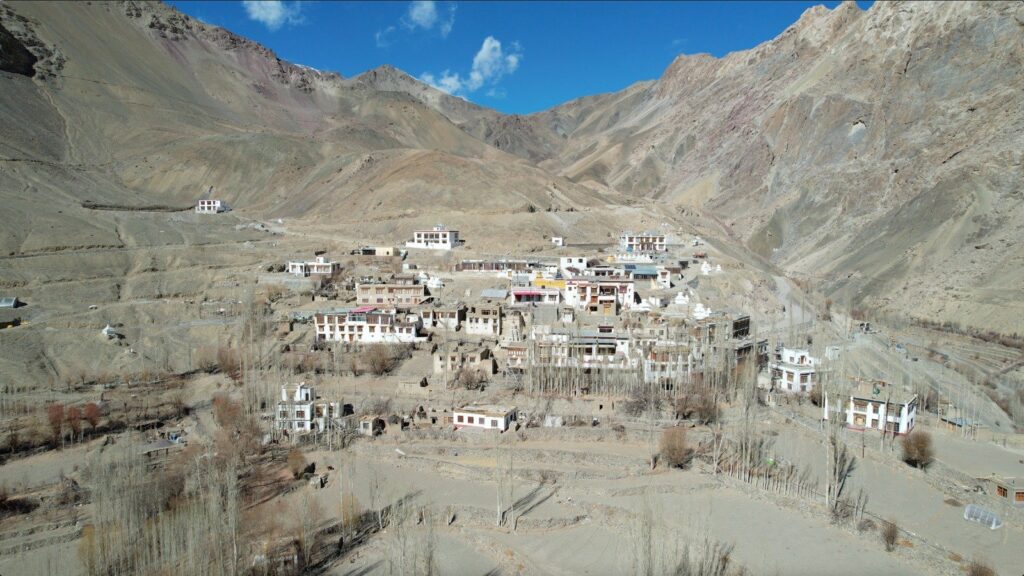
Mangue Village is One of the beautiful villages in Ladakh , Mangue with beautiful Terrain. A Hidden Gem in Sham Valley, Ladakh.
Oldest Monastery
Mangyu Monastery is one of the oldest monasteries in Ladakh. Located in Sham Valley, the Gompa belongs to the early period monasteries built between 1000 – 1300 AD. We visited Mangyu Gompa on our last trip to Ladakh. This travel blog shares our experience and a little history and architecture of the monastery.
History of Mangyu Monastery
Founding History
Mangyu Monastery dates back to the 11th or early 12th century, during a period when Buddhism flourished across the Western Himalayas. The monastery emerged as part of a wider movement that introduced Buddhist teachings, architecture, and artistic traditions into Ladakh.
Founder and Lineage
Although historical records remain limited, local tradition connects the monastery to the renowned Buddhist scholar and translator Rinchen Zangpo (958–1055 CE), who played a pivotal role in spreading Buddhism throughout Ladakh, Spiti, and western Tibet.
The monastery later became associated with the Drikung Kagyu school, one of Tibetan Buddhism’s major traditions.
Important Historical Events
Over the centuries, Mangyu Monastery survived political changes, regional conflicts, and harsh Himalayan weather. Despite its remote location, it preserved invaluable Buddhist paintings and sculptures that are now considered masterpieces of Himalayan art.
Several conservation projects in recent decades have focused on protecting its fragile murals from deterioration.
Role in Ladakh’s Buddhist Heritage
Mangyu Monastery represents a critical link between the Buddhist artistic traditions of Kashmir and Tibet. Scholars often compare its artistic style to that found at Alchi Monastery due to similarities in iconography and craftsmanship.
Legends and Folklore
Local folklore claims that divine beings assisted in constructing the monastery overnight. Another popular legend suggests that sacred images inside the temple were miraculously blessed by enlightened masters who traveled through the region centuries ago.
Architecture and Design
Exterior Architecture
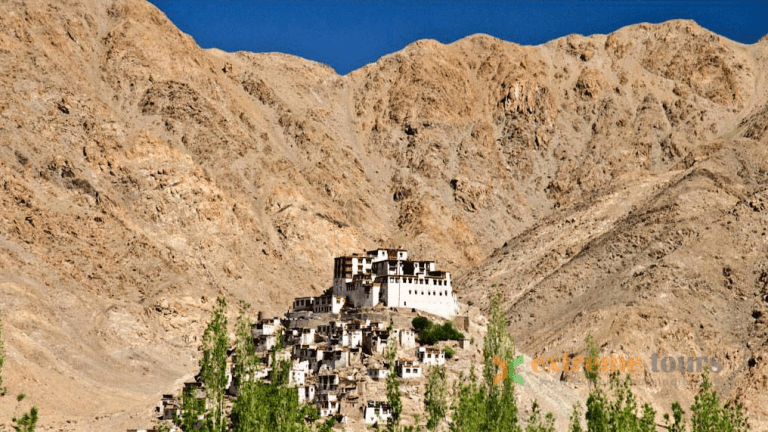
The monastery features traditional Ladakhi architecture characterized by whitewashed walls, mud-brick construction, wooden beams, and flat roofs adapted to the arid Himalayan climate.
Prayer Halls
The ancient prayer halls contain elaborately decorated interiors featuring centuries-old paintings and sacred objects used during religious ceremonies.
Ancient Murals
The murals are among the monastery’s greatest treasures. These paintings depict Buddhas, Bodhisattvas, celestial beings, mandalas, and scenes from Buddhist teachings.
Thangkas
Visitors may find beautiful thangkas displayed during religious festivals and special ceremonies. These sacred scroll paintings serve as important teaching tools.
Statues
The monastery houses impressive statues of Buddha, Avalokiteshvara, Maitreya, and other revered figures.
Monastery Layout
The complex includes:
- Main temple
- Prayer halls
- Monk quarters
- Courtyards
- Storage chambers
- Sacred shrines
Unique Artistic Elements
Mangyu Monastery is renowned for its Kashmiri-influenced artistic style, featuring intricate carvings, expressive figures, and highly detailed murals rarely seen elsewhere in Ladakh.
Restoration Efforts
Conservation experts have worked alongside local monks to preserve the monastery’s fragile artwork and architectural heritage for future generations.
Religious Significance
Buddhist Traditions Practiced
The monastery follows Tibetan Buddhist traditions with a strong emphasis on meditation, ritual practice, and scriptural study.
Important Deities
Key deities worshipped include:
- Shakyamuni Buddha
- Avalokiteshvara (Chenrezig)
- Manjushri
- Maitreya Buddha
- Vajrapani
Spiritual Importance
Mangyu Monastery remains an active center of worship and spiritual learning for local villagers.
Monastic Life
Monks spend their days studying scriptures, conducting rituals, maintaining the monastery, and participating in community activities.
Daily Rituals
Daily activities typically include:
- Morning prayers
- Chanting ceremonies
- Meditation sessions
- Butter lamp offerings
- Evening rituals
What to See Inside the Monastery
Main Temple
The monastery’s central shrine houses sacred statues and serves as the focal point for religious ceremonies.
Assembly Hall
The assembly hall contains prayer cushions, scriptures, and ceremonial instruments used during festivals.
Buddha Statues
Visitors can admire ancient statues crafted with remarkable artistic detail.
Murals
The ancient wall paintings are among the finest examples of early Buddhist art in Ladakh.
Libraries
Small collections of religious texts and manuscripts are preserved within the monastery.
Courtyards
The peaceful courtyards offer excellent opportunities for reflection and photography.
Viewpoints
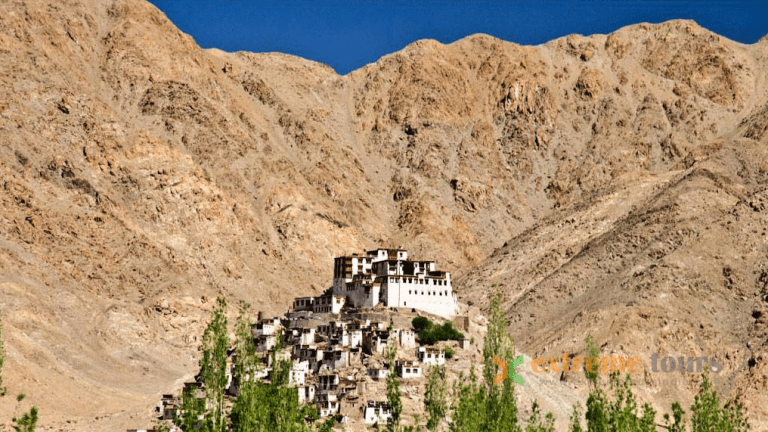
The monastery’s elevated position provides panoramic views of surrounding mountains and villages.
Sacred Relics
Some shrines contain sacred relics and ritual objects venerated by pilgrims.
Festivals Celebrated at Mangyu Monastery
Annual Prayer Festivals
Various prayer festivals are held throughout the year according to the Tibetan lunar calendar.
Losar
Date: Usually February–March
Highlights:
- New Year prayers
- Community gatherings
- Traditional ceremonies
- Cultural performances
Monastic Celebrations
Special religious events may include:
- Sacred rituals
- Chanting ceremonies
- Butter lamp offerings
- Blessing ceremonies
Mask Dances
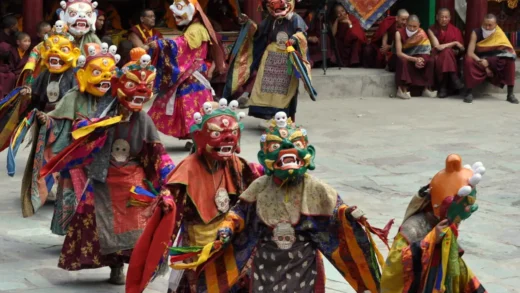
Although less elaborate than Hemis Festival, ritual cham dances may be performed during significant celebrations.
Cultural Importance
Festivals strengthen community bonds and preserve centuries-old Buddhist traditions.
Visitor Experience
Travelers can witness authentic local culture without the crowds often found at larger monasteries.
Things to Do at Mangyu Monastery
- Explore ancient Buddhist murals.
- Attend morning prayers.
- Interact respectfully with resident monks.
- Learn about Ladakhi Buddhist traditions.
- Photograph traditional architecture.
- Enjoy panoramic mountain views.
- Combine a visit with Alchi and Likir monasteries.
- Experience peaceful meditation in a historic setting.
Photography Guide
Best Photo Spots
- Monastery entrance
- Temple courtyards
- Village surroundings
- Mountain viewpoints
Sunrise Photography
Morning light beautifully illuminates the monastery walls and surrounding landscape.
Sunset Photography
Golden-hour lighting creates dramatic contrasts across the Himalayan terrain.
Drone Regulations
Drone operations generally require official permissions from local authorities and should not be flown near religious ceremonies.
Photography Etiquette
- Ask permission before photographing monks.
- Respect restricted areas.
- Avoid flash photography near murals.
- Maintain silence inside prayer halls.
How to Reach Mangyu Monastery
By Air
The nearest airport is the Kushok Bakula Rimpochee Airport in Leh. From there, visitors can continue by road.
By Road
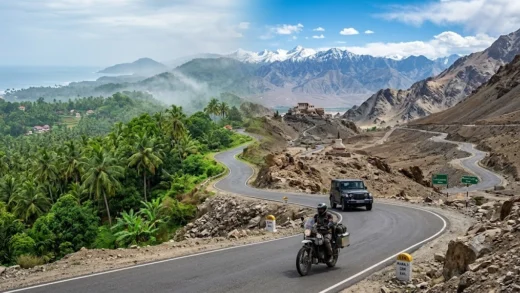
Mangyu lies along the Leh–Kargil highway route and is accessible via well-maintained roads during summer months.
By Bike
Motorcycle journeys from Leh are popular among adventure travelers exploring western Ladakh.
By Taxi
Private taxis from Leh can be hired for a day trip or monastery circuit tour.
By Public Transport
Occasional buses and shared taxis operate between Leh and villages along the highway, though schedules may vary.
Distance Chart
| Destination | Distance to Mangyu Monastery |
| Leh | 75 km |
| Nubra Valley | 195 km |
| Pangong Lake | 235 km |
| Lamayuru | 45 km |
| Kargil | 145 km |
| Alchi | 20 km |
| Diskit | 195 km |
| Hanle | 330 km |
Best Time to Visit
Summer (May–September)
Advantages
- Pleasant weather
- Clear roads
- Comfortable sightseeing
Challenges
- Peak tourist season
Autumn (September–October)
Advantages
- Beautiful landscapes
- Fewer crowds
- Excellent photography conditions
Challenges
- Cooler nights
Winter (November–March)
Advantages
- Peaceful atmosphere
- Snow-covered scenery
Challenges
- Harsh temperatures
- Occasional road closures
Spring (April–May)
Advantages
- Blooming landscapes
- Moderate temperatures
Challenges
- Variable weather conditions
Nearest Village & Town
Uleytokpo
Uleytokpo is a tranquil riverside village and one of the best camping destinations in Ladakh. Located on the Leh–Kargil Highway (NH-1), it serves as an ideal stopover for travelers heading towards Lamayuru, Kargil, or Srinagar. Surrounded by apricot orchards, rugged mountains, and the Indus River, Uleytokpo offers a peaceful escape from the bustle of Leh.
Khaltse
Khaltse (also spelled Khalatse) is a historic town in western Ladakh situated on the Leh–Kargil Highway (NH-1) along the banks of the Indus River. It serves as an important transit hub for travelers heading to Lamayuru, Kargil, Srinagar, Alchi, Likir, and the Sham Valley.
Nearby Attractions
Alchi Monastery
Famous for its UNESCO-worthy murals and ancient temples.
Likir Monastery
Known for its giant Maitreya Buddha statue.
Basgo Palace
Historic ruins showcasing Ladakh’s royal past.
Lamayuru Monastery
One of the oldest and most spectacular monasteries in Ladakh.
Indus Valley
Offers scenic landscapes, villages, and cultural experiences.
Nearest Places from Mangue Monastery
| Place | Distance | Drive Time |
|---|---|---|
| Mangue Village | 0 km | Located within the village |
| Khaltse | ~8 km | 10–15 minutes |
| Alchi Monastery | ~18 km | 25–30 minutes |
| Likir Monastery | ~28 km | 40–45 minutes |
| Basgo Monastery | ~45 km | 1 hour |
| Leh | ~78 km | 2 hours |
Essential Facilities Near Mangue Monastery
| Facility | Nearest Location | Distance (Approx.) |
|---|---|---|
| Nearest Highway | NH-1 (Leh–Kargil Highway) | 8 km |
| Nearest Town | Khaltse | 8 km |
| Nearest Fuel Station | Khaltse Petrol Pump | 8 km |
| Nearest ATM | Khaltse | 8 km |
| Nearest Medical Facility | Community Health Centre, Khaltse | 8 km |
| Nearest Police Station | Khaltse Police Station | 8 km |
| Nearest Bus Stop | Khaltse Bus Stand | 8 km |
| Nearest Market | Khaltse Market | 8 km |
| Nearest Accommodation | Guesthouses & Camps at Uleytokpo / Khaltse | 8–20 km |
| Nearest Airport | Kushok Bakula Rimpochee Airport | ~80 km |
Travel Tips
Acclimatization
Spend at least 24–48 hours in Leh before exploring higher-altitude regions.
Clothing
Carry layered clothing regardless of season.
Respectful Behavior
Dress modestly and maintain silence inside temples.
Donations
Voluntary donations help preserve the monastery.
Photography Restrictions
Always ask before photographing sacred interiors.
Mobile Network
Connectivity is limited but generally available through major Indian operators.
ATM Availability
Use ATMs in Leh before traveling to remote villages.
Lesser-Known Facts About Mangyu Monastery
- Mangyu Monastery is often called the “hidden sister” of Alchi Monastery.
- Its murals show strong Kashmiri artistic influences.
- Some artworks are over 900 years old.
- The monastery receives far fewer visitors than major Ladakh monasteries.
- Scholars consider it one of Ladakh’s most important heritage sites.
- Several rare iconographic depictions are found only here and a few nearby temples.
Why You Should Visit Mangyu Monastery
Mangyu Monastery offers a unique combination of spirituality, history, and artistic excellence. Unlike more crowded monasteries in Ladakh, it provides a peaceful atmosphere where visitors can truly connect with the region’s Buddhist heritage. Its ancient murals, remarkable architecture, and tranquil surroundings make it one of the most rewarding cultural experiences in any Ladakh Travel Guide.
Whether you are interested in Ladakh Tourism, Buddhist history, photography, or simply discovering hidden gems, Mangyu Monastery deserves a place on your itinerary.
Frequently Asked Questions
1. Where is Mangyu Monastery located?
Mangyu Monastery is located in Mangyu Village in western Ladakh, approximately 75 km from Leh.
2. How old is Mangyu Monastery?
The monastery dates back to the 11th–12th century and is among Ladakh’s oldest Buddhist sites.
3. Is there an entry fee?
Entry is generally free, though donations are appreciated.
4. Can tourists visit throughout the year?
Yes, but summer and autumn offer the most reliable travel conditions.
5. What makes Mangyu Monastery unique?
Its ancient murals, Kashmiri-influenced artwork, and peaceful atmosphere distinguish it from other monasteries in Ladakh.
6. Is photography allowed?
Photography is usually permitted outdoors. Permission may be required inside temples.
7. How much time should I spend here?
Most visitors spend one to two hours exploring the monastery.
8. Can I combine it with other attractions?
Yes. Alchi, Likir, Basgo, and Lamayuru are commonly visited together.
9. Is the monastery active today?
Yes, it remains a functioning Buddhist monastery serving the local community.
10. What is the best season to visit?
May to September is considered the ideal time due to pleasant weather and open roads.
Conclusion
Mangyu Monastery stands as one of Ladakh’s most remarkable yet lesser-known spiritual landmarks. Hidden among the rugged landscapes of the Indus Valley, it preserves centuries of Buddhist history, sacred art, and living tradition. From its breathtaking murals and ancient temples to its serene atmosphere and panoramic mountain views, every corner tells a story of devotion and cultural resilience.
For travelers seeking authentic experiences beyond the typical tourist trail, Mangyu Monastery offers an unforgettable journey into the heart of Himalayan Buddhism. As you explore this extraordinary Buddhist Monastery in Ladakh, you’ll discover why it remains one of the region’s most treasured cultural gems and an essential destination for anyone interested in Things to Do in Ladakh.