
Introduction
Shey Monastery is one of the most historically significant Monasteries in Ladakh, beautifully situated on a hill overlooking the fertile Indus Valley. Located in the peaceful village of Shey, around 15 kilometres from Leh, this magnificent monastery forms part of the historic Shey Palace complex, which once served as the summer capital of the Namgyal Kingdom. Combining royal heritage, Buddhist spirituality, and breathtaking Himalayan landscapes, Shey Monastery is a must-visit destination for anyone exploring Ladakh Tourism.
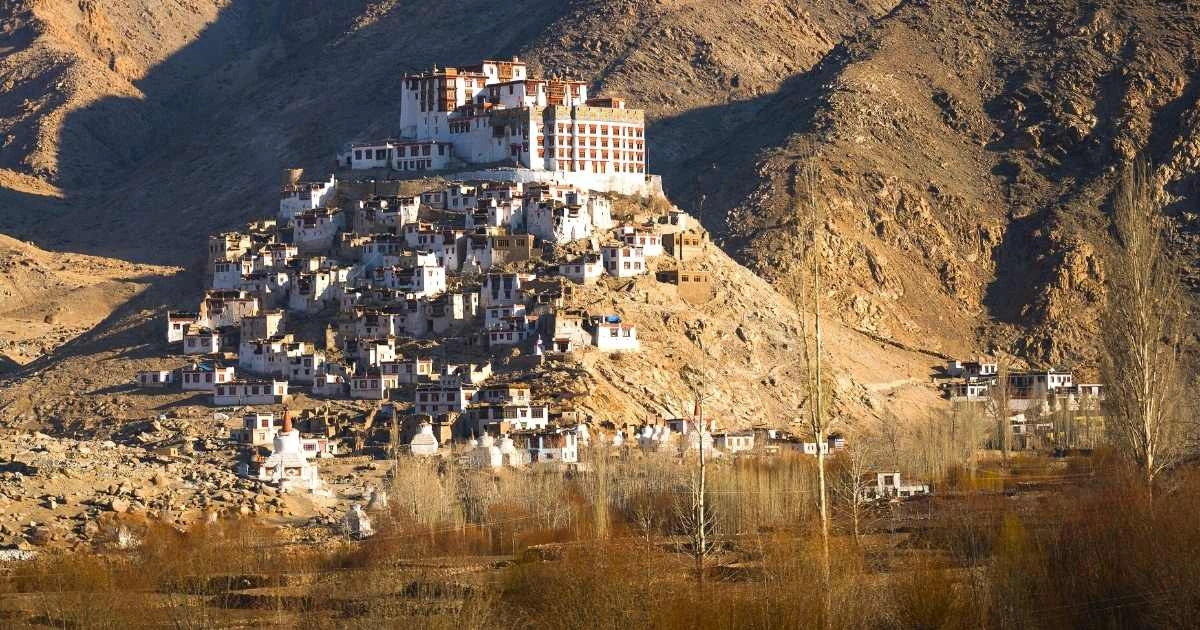
The monastery is especially famous for housing one of the largest copper-gilded statues of Shakyamuni Buddha in Ladakh. Whether you’re a history enthusiast, photographer, pilgrim, or traveller seeking serenity, Shey Monastery offers an unforgettable cultural experience and remains one of the finest examples of a Buddhist Monastery in Ladakh.
| Details | Information |
|---|---|
| Location | Shey Village, Leh District, Ladakh, India |
| District | Leh |
| Altitude | Approximately 3,440 metres (11,286 feet) above sea level |
| Founded | 17th century (existing monastery and palace complex) |
| Buddhist School | Drukpa Kagyu |
| Founder | King Deldan Namgyal |
| Best Time to Visit | May to September |
| Entry Fee | ₹30–₹50 per person (subject to change) |
| Timings | 8:00 AM – 5:00 PM |
| Photography Rules | Photography is allowed outdoors. Permission may be required inside prayer halls. Flash photography is discouraged. |
| Nearby Attractions | Shey Palace, Thiksey Monastery, Hemis Monastery, Stok Palace, Sindhu Ghat |
| Distance from Leh | Approximately 15 km |
History of Shey Monastery
Founding History
Shey served as the ancient capital of Ladakh before Leh became the kingdom’s political centre. The present monastery was built during the 17th century as part of the royal palace complex under the rule of King Deldan Namgyal.

 6°C
6°C
- Temperature
- Rain Chance
- Wind


Founder and Lineage
King Deldan Namgyal commissioned the monastery in memory of his father, the legendary King Sengge Namgyal, who played a major role in expanding Buddhism throughout Ladakh. The monastery follows the traditions of the Drukpa Kagyu school of Tibetan Buddhism.
Important Historical Events
For centuries, Shey Palace and its monastery functioned as the summer residence of Ladakh’s royal family. Religious ceremonies, royal gatherings, and Buddhist rituals were regularly conducted here. Even after the capital shifted to Leh, Shey remained an important religious centre.
Role in Ladakh’s Buddhist Heritage
Shey Monastery continues to preserve centuries-old Buddhist traditions through daily prayers, meditation, and festivals. It represents the close relationship between Ladakh’s royal history and Tibetan Buddhism.
Legends and Folklore
Local beliefs suggest that the monastery’s magnificent Buddha statue protects the Indus Valley and blesses nearby villages with prosperity, peace, and abundant harvests. Many pilgrims visit the monastery seeking spiritual blessings and good fortune.
Architecture and Design
Shey Monastery combines traditional Tibetan Buddhist architecture with royal palace design, making it one of the most visually impressive monasteries in Ladakh.
Exterior Architecture
The monastery sits dramatically above Shey Village, featuring whitewashed walls, red-painted monastery buildings, golden rooftops, and stone terraces that blend harmoniously with the surrounding mountains.
Prayer Halls
The prayer halls are beautifully decorated with carved wooden pillars, colorful ceilings, prayer flags, butter lamps, and rows of sacred scriptures used during daily worship.
Ancient Murals
The monastery contains centuries-old murals depicting the life of Buddha, Bodhisattvas, Mandalas, and important Buddhist teachings. These artworks showcase traditional Ladakhi and Tibetan artistic styles.
Thangkas
Sacred silk thangkas are displayed during major festivals and religious ceremonies. These intricate paintings represent Buddhist deities, spiritual symbols, and historical events.
Statues
The monastery’s greatest treasure is the magnificent 12-metre-high copper-gilded statue of Shakyamuni Buddha, one of the largest Buddha statues in Ladakh. Decorated with gold and precious stones, it is an extraordinary masterpiece of Buddhist art.
Monastery Layout
The complex includes prayer halls, meditation rooms, courtyards, royal chambers, terraces, shrines, and viewing platforms overlooking the Indus Valley.
Unique Artistic Elements
- Giant copper-gilded Buddha statue
- Traditional Tibetan wood carvings
- Gold-painted Buddhist murals
- Ancient manuscripts
- Colorful prayer wheels
- Decorative ceiling paintings
Restoration Efforts
Conservation work continues to preserve the monastery’s murals, palace ruins, wooden architecture, and priceless religious artifacts for future generations.
Religious Significance
Shey Monastery remains an active centre of Buddhist learning and worship.
Buddhist Traditions Practiced
The monastery follows the Drukpa Kagyu tradition, where monks engage in meditation, scripture study, chanting, and ritual ceremonies.
Important Deities
Major deities worshipped include:
- Shakyamuni Buddha
- Guru Padmasambhava
- Avalokiteshvara
- Various Bodhisattvas
Spiritual Importance
Pilgrims visit Shey Monastery to receive blessings, pray for peace, and deepen their spiritual understanding. The monastery is considered a sacred place that promotes compassion and wisdom.
Monastic Life
Resident monks spend their days studying Buddhist philosophy, performing prayers, maintaining the monastery, and participating in religious festivals.
Daily Rituals
Visitors may witness:
- Morning chanting
- Butter lamp offerings
- Prayer wheel rituals
- Meditation sessions
- Evening prayers
What to See Inside Shey Monastery
Main Temple
The main temple houses the spectacular copper Buddha statue and beautifully decorated prayer halls.
Assembly Hall
The assembly hall features traditional monk seating, ceremonial drums, sacred scriptures, and ornate decorations used during religious gatherings.
Buddha Statues
Apart from the giant Shakyamuni Buddha, several smaller statues of Buddhist deities and teachers can be seen throughout the monastery.
Murals
Colorful murals covering the walls depict Buddhist teachings, celestial beings, and historical events.
Libraries
The monastery preserves ancient Buddhist manuscripts and sacred texts that are carefully protected.
Courtyards
Quiet courtyards provide peaceful spaces where visitors can admire the monastery’s architecture and mountain surroundings.
Viewpoints
The terraces offer breathtaking panoramic views of:
- Indus River
- Shey Village
- Thiksey Monastery
- Stok Range
- Snow-covered Himalayan peaks
Sacred Relics
Visitors can also view ancient prayer wheels, ritual objects, traditional masks, and sacred relics used during festivals.
Festivals Celebrated at Shey Monastery
Shey Doo Lhoo Festival
This annual festival takes place after the sowing season and celebrates prosperity and agricultural blessings.
Rituals
- Prayer ceremonies
- Offerings to deities
- Blessings for successful harvests
Mask Dances
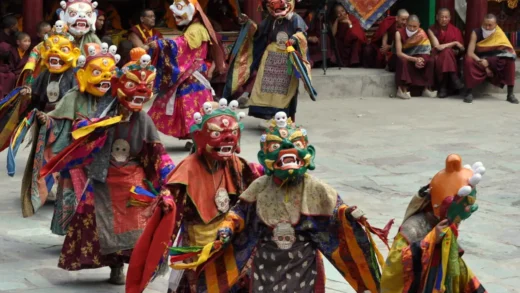
Monks perform traditional Cham dances wearing colorful masks representing protective Buddhist deities.
Cultural Importance
The festival preserves Ladakh’s rich Buddhist traditions while bringing together local communities and pilgrims.
Visitor Experience
Visitors can enjoy vibrant cultural performances, traditional music, religious ceremonies, and authentic Ladakhi hospitality.
Things to Do at Shey Monastery
- Admire the giant Buddha statue.
- Explore Shey Palace.
- Attend morning prayers.
- Enjoy panoramic Himalayan views.
- Photograph the monastery.
- Learn about Ladakh’s royal history.
- Meditate in peaceful surroundings.
- Visit nearby monasteries.
- Experience local village life.
- Watch sunrise over the Indus Valley.
Photography Guide
Best Photo Spots
- Palace entrance
- Buddha statue (where permitted)
- Upper terraces
- Prayer wheels
- Courtyards
- Viewpoints overlooking the valley
Sunrise Photography
Morning sunlight creates beautiful golden tones across the monastery and surrounding fields.
Sunset Photography
The evening light illuminates the palace walls and mountains, offering excellent landscape photography opportunities.
Drone Regulations
Drone flights require permission from local authorities. Flying drones without authorization is discouraged near religious sites.
Photography Etiquette
- Ask permission before photographing monks.
- Avoid flash photography inside temples.
- Maintain silence during prayers.
- Respect restricted areas.
How to Reach Shey Monastery
By Air
The nearest airport is Kushok Bakula Rimpochee Airport in Leh. The monastery is approximately 15 kilometres away.
By Road
Shey is connected by a well-maintained highway from Leh, making it easily accessible by private vehicle.
By Bike
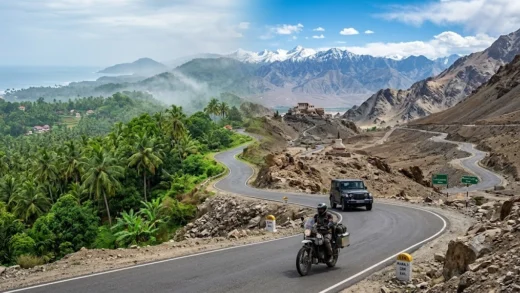
Motorcycle tours are popular during the summer months and provide a scenic journey through the Indus Valley.
By Taxi
Private taxis from Leh reach Shey Monastery in around 20–30 minutes.
By Public Transport
Regular local buses and shared taxis operate between Leh and Shey Village.
Distance Chart
| Destination | Approximate Distance |
|---|---|
| Leh | 15 km |
| Nubra Valley | 135 km |
| Pangong Lake | 165 km |
| Lamayuru | 130 km |
| Kargil | 220 km |
| Alchi | 80 km |
| Diskit | 132 km |
| Hanle | 255 km |
Best Time to Visit
Summer (May–September)
Summer is the best season to visit Shey Monastery. Pleasant weather, open roads, and clear skies make sightseeing comfortable.
Advantages
- Excellent weather
- Easy road access
- Ideal photography
- Festival season
Challenges
- Peak tourist crowds
Autumn (September–October)
Autumn offers golden landscapes and fewer visitors.
Advantages
- Pleasant temperatures
- Beautiful scenery
- Less crowded
Challenges
- Cooler evenings
Winter (November–February)
Winter transforms the monastery into a peaceful snowy retreat.
Advantages
- Snow-covered landscapes
- Quiet atmosphere
Challenges
- Extremely cold temperatures
- Limited facilities
Spring (March–April)
Spring brings fresh mountain views and blooming vegetation.
Advantages
- Comfortable weather
- Fewer tourists
Challenges
- Variable weather conditions
Nearby Attractions
Visitors can combine Shey Monastery with several famous Things to Do in Ladakh, including:
- Shey Palace
- Thiksey Monastery
- Hemis Monastery
- Stok Palace Museum
- Sindhu Ghat
- Leh Palace
- Shanti Stupa
- Magnetic Hill
Travel Tips
- Spend at least 24 hours acclimatizing in Leh before sightseeing.
- Carry warm clothing regardless of the season.
- Wear comfortable walking shoes.
- Respect monks and worshippers.
- Remove shoes before entering temples.
- Carry cash for donations and entry fees.
- Follow photography guidelines.
- Mobile connectivity is available but may be limited.
- ATMs are available in Leh.
Lesser-Known Facts About Shey Monastery
- Shey was once the capital of the Kingdom of Ladakh.
- The Buddha statue contains thousands of precious stones.
- The giant statue is made of copper and gilded with gold.
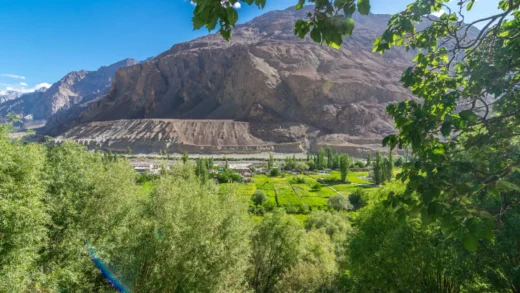
- The monastery overlooks one of Ladakh’s most fertile valleys.
- The royal family once used Shey Palace as their summer residence.
- The monastery still serves as an active place of worship.
- Ancient Buddhist manuscripts are preserved within the complex.
- Shey Doo Lhoo remains one of the region’s important traditional festivals.
Why You Should Visit Shey Monastery
Shey Monastery offers an extraordinary combination of royal history, Buddhist spirituality, remarkable architecture, and breathtaking Himalayan scenery. Its enormous Buddha statue, peaceful prayer halls, ancient murals, and spectacular viewpoints make it one of the finest Monasteries in Ladakh. Whether you’re interested in culture, photography, history, or spirituality, Shey Monastery promises an enriching experience that perfectly represents the beauty and heritage of Ladakh Tourism.
Frequently Asked Questions
1. Where is Shey Monastery located?
Shey Monastery is located in Shey Village, about 15 kilometres southeast of Leh in Ladakh.
2. Why is Shey Monastery famous?
It is famous for its massive copper-gilded Shakyamuni Buddha statue, royal palace complex, and historical significance.
3. Which Buddhist school does Shey Monastery belong to?
The monastery belongs to the Drukpa Kagyu school of Tibetan Buddhism.
4. What is the best time to visit Shey Monastery?
May to September is considered the best time due to pleasant weather and accessible roads.
5. Is there an entry fee?
Yes. Visitors generally pay a small entry fee of around ₹30–₹50, although charges may change.
6. How much time should I spend at Shey Monastery?
Most visitors spend between one and two hours exploring the monastery and palace.
7. Is photography allowed?
Photography is permitted outdoors, while permission may be required inside certain prayer halls.
8. Can families visit Shey Monastery?
Yes. The monastery is suitable for families, pilgrims, photographers, and history lovers.
9. Are guided tours available?
Yes. Local guides are available and can provide valuable historical and cultural insights.
10. Can I visit other monasteries on the same day?
Yes. Shey Monastery is often visited alongside Thiksey Monastery, Hemis Monastery, and Stok Palace in a single day trip.
Conclusion
Shey Monastery stands as a timeless symbol of Ladakh’s royal heritage and Buddhist traditions. From its magnificent copper-gilded Buddha statue and beautifully preserved murals to its commanding views over the Indus Valley, every part of the monastery tells a story of faith, history, and artistic excellence. Whether you’re exploring the best Monasteries in Ladakh, creating your perfect Ladakh Travel Guide, or searching for unforgettable Things to Do in Ladakh, Shey Monastery offers a memorable journey into the spiritual heart of the Himalayas. A visit here is not only a cultural experience but also an opportunity to appreciate the enduring legacy of Ladakh’s remarkable Buddhist heritage.