

Introduction
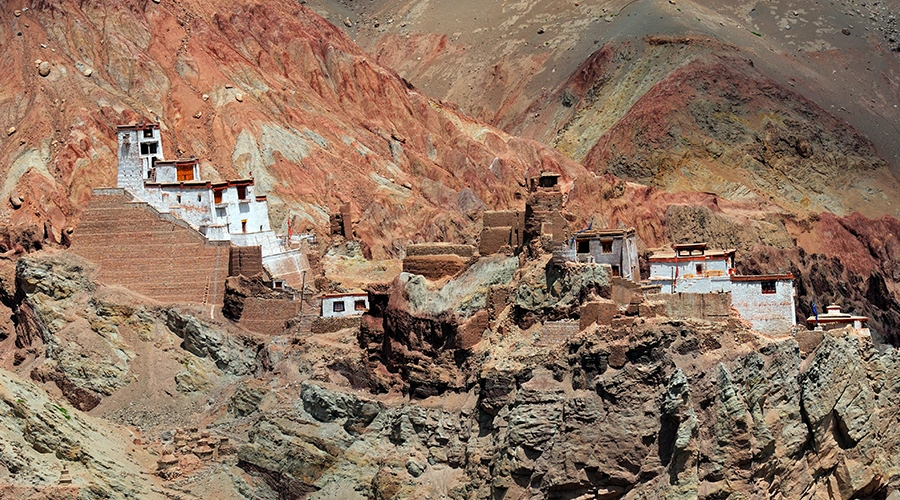
Nestled atop dramatic cliffs overlooking the fertile Indus Valley, Basgo Monastery is one of the most fascinating historical and spiritual landmarks in Ladakh. Unlike many monasteries that are known solely for their religious significance, Basgo is a remarkable blend of an ancient fortress, royal palace, and Buddhist monastery. Its towering clay Maitreya Buddha, centuries-old murals, and spectacular hilltop setting make it a must-visit destination for travelers exploring the Monasteries in Ladakh.
Once the capital of the Namgyal Kingdom, Basgo has witnessed royal ceremonies, fierce battles, and centuries of Buddhist devotion. Today, it stands as a testament to Ladakh’s rich cultural heritage and continues to attract pilgrims, photographers, historians, and adventure travelers alike. Whether you’re planning a comprehensive Ladakh Travel Guide or looking for unique Things to Do in Ladakh, Basgo Monastery deserves a prominent place on your itinerary.
Quick Overview
| Details | Information |
|---|---|
| Location | Basgo Village, Leh District, Ladakh, India |
| District | Leh |
| Altitude | Approximately 3,290 m (10,794 ft) |
| Founded | Late 15th Century |
| Buddhist School | Gelug School of Tibetan Buddhism |
| Founder | Namgyal Dynasty, particularly King Drakpa Bumde |
| Best Time to Visit | May to September |
| Entry Fee | ₹30–₹50 (Approx.) |
| Timings | 8:00 AM – 6:00 PM |
| Photography Rules | Outdoor photography allowed; permission may be required inside temples |
| Nearby Attractions | Alchi Monastery, Likir Monastery, Magnetic Hill, Indus-Zanskar Confluence, Nimmoo |
| Distance from Leh | About 40 km |
History of Basgo Monastery
Basgo Monastery dates back to the late 15th century when the Namgyal dynasty established Basgo as one of the most important political and religious centers in Ladakh. During this period, the region flourished under royal patronage, and several temples and fortifications were constructed to strengthen the kingdom.

 6°C
6°C
- Temperature
- Rain Chance
- Wind


The monastery is closely associated with King Drakpa Bumde and later rulers of the Namgyal dynasty, who transformed Basgo into a fortified capital. While the monastery eventually came under the Gelug school of Tibetan Buddhism, earlier influences from the Drikung Kagyu tradition can also be seen in its heritage.
One of the most significant events in Basgo’s history occurred during the 17th century when invading Central Asian armies besieged the fortress. The fort successfully resisted prolonged attacks and became a symbol of Ladakh’s resilience and military strength. The eventual arrival of Tibetan allies helped secure the kingdom, preserving Basgo’s cultural and religious legacy.
Beyond its military history, Basgo Monastery played an essential role in preserving Buddhist teachings, sacred scriptures, and artistic traditions. Its temples served as centers of worship, meditation, and learning, helping spread Buddhism throughout western Ladakh.
Local folklore adds another layer of intrigue to Basgo. According to villagers, guardian deities protected the fortress during invasions, while the giant Maitreya Buddha is believed to bless and safeguard the entire valley.
Architecture and Design
Basgo Monastery is renowned for its striking architecture, which seamlessly combines defensive military structures with traditional Buddhist design. Built atop rugged reddish cliffs, the monastery commands breathtaking views of the Indus Valley while showcasing centuries of Ladakhi craftsmanship.
Exterior Architecture
The monastery complex consists of ancient fortress walls, palace ruins, watchtowers, and temple buildings that appear to emerge naturally from the surrounding rocky landscape. Thick mud-brick walls and narrow pathways reflect its strategic defensive role.
Prayer Halls
The monastery houses spacious prayer halls adorned with carved wooden pillars, colorful prayer flags, butter lamps, and traditional Tibetan decorations. These halls remain active centers for religious ceremonies and daily prayers.
Ancient Murals
One of Basgo’s greatest treasures is its collection of beautifully preserved murals depicting Buddha Shakyamuni, Avalokiteshvara, Bodhisattvas, protective deities, mandalas, and scenes from Buddhist cosmology. Many paintings are several centuries old and remain remarkably vibrant.
Thangkas
During festivals and special ceremonies, intricate silk thangkas portraying Buddhist masters and sacred deities decorate the prayer halls, adding to the monastery’s spiritual atmosphere.
Statues
The highlight of Basgo Monastery is its magnificent 14-meter-tall clay statue of Maitreya Buddha. Several smaller statues of Shakyamuni Buddha, Tsongkhapa, and other revered Buddhist figures can also be found throughout the temple complex.
Monastery Layout
The complex includes:
- Three main temples
- Fortress ruins
- Royal palace remains
- Prayer halls
- Meditation rooms
- Residential quarters for monks
- Courtyards
- Scenic viewpoints
Restoration Efforts
Over the years, Basgo Monastery has undergone extensive conservation work supported by local communities and international heritage organizations. Restoration projects have focused on preserving its fragile murals, clay statues, and historic structures for future generations.
Religious Significance
Basgo Monastery remains an important center of Tibetan Buddhist practice and pilgrimage. The monastery primarily follows the Gelug tradition, emphasizing monastic discipline, meditation, scripture study, and ritual prayer.
The monastery is dedicated to Maitreya Buddha, the future Buddha, who symbolizes hope, compassion, and enlightenment. Other important deities worshipped here include Avalokiteshvara, Manjushri, Mahakala, and Tsongkhapa.
Resident monks follow a disciplined daily routine that includes morning prayers, meditation, scripture recitation, philosophical discussions, and evening rituals. Pilgrims visit the monastery throughout the year to seek blessings, offer butter lamps, and participate in religious ceremonies.
What to See Inside Basgo Monastery
Visitors can explore numerous fascinating attractions within the monastery complex.
Main Temple
The main temple houses the towering Maitreya Buddha statue, one of the largest clay Buddha statues in Ladakh.
Assembly Hall
The assembly hall serves as the center for communal prayers and religious festivals, featuring traditional Tibetan décor and ancient religious artifacts.
Buddha Statues
Several beautifully crafted clay and bronze statues representing various Buddhas and Bodhisattvas are displayed throughout the monastery.
Murals
The centuries-old murals are among the finest examples of Ladakhi Buddhist art, depicting sacred teachings, deities, and historical events.
Libraries
The monastery preserves valuable Buddhist scriptures, handwritten manuscripts, and ancient religious texts.
Courtyards
Quiet courtyards provide peaceful spaces for meditation while offering magnificent views of the surrounding valley.
Viewpoints
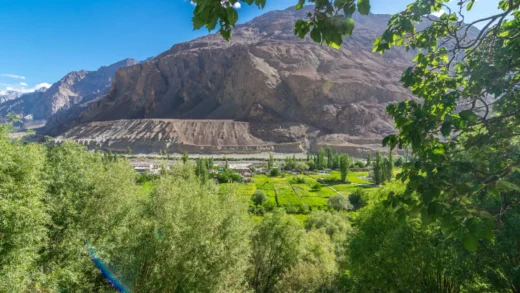
From the monastery, visitors can enjoy panoramic vistas of Basgo Village, the Indus River, distant Himalayan peaks, and the surrounding desert landscape.
Sacred Relics
Several ritual objects, ceremonial masks, prayer wheels, and ancient artifacts remain important religious treasures within the monastery.
Festivals Celebrated at Basgo Monastery
Basgo Monastery hosts several colorful Buddhist festivals throughout the year.
Basgo Gustor
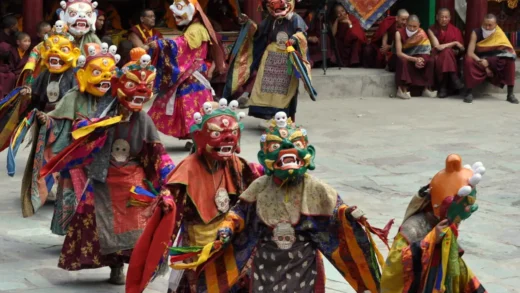
The monastery’s most important celebration is the Basgo Gustor Festival, usually held during the summer months. Monks perform sacred Cham mask dances symbolizing the triumph of good over evil, accompanied by traditional music, elaborate costumes, and ritual ceremonies.
Losar
The Tibetan New Year is celebrated with prayers, offerings, cultural performances, and community gatherings.
Buddha Purnima
Special prayers, scripture recitations, butter lamp offerings, and devotional ceremonies mark the birth, enlightenment, and passing of Buddha.
For visitors, these festivals provide an excellent opportunity to witness authentic Ladakhi culture and centuries-old Buddhist traditions.
Things to Do at Basgo Monastery
During your visit, you can:
- Explore the ancient fortress ruins.
- Admire the giant Maitreya Buddha.
- Discover centuries-old murals.
- Observe monks performing daily prayers.
- Capture panoramic views of the Indus Valley.
- Learn about Ladakh’s royal history.
- Visit nearby monasteries such as Alchi and Likir.
- Enjoy peaceful meditation.
- Walk through Basgo Village.
- Experience spectacular sunrise and sunset photography.
Photography Guide
Basgo Monastery is a paradise for photographers.
Best Photo Spots
- Fortress walls
- Temple entrances
- Hilltop viewpoints
- Palace ruins
- Indus Valley panorama
Sunrise Photography
Early morning sunlight beautifully illuminates the reddish cliffs and monastery buildings, creating soft shadows and vibrant colors.
Sunset Photography
Golden-hour light transforms the monastery into a glowing masterpiece against the Himalayan backdrop.
Drone Regulations
Drone photography usually requires prior permission from local authorities and may be restricted due to heritage conservation and security regulations.
Photography Etiquette
Always ask permission before photographing monks, avoid using flash inside temples, and respect ongoing religious ceremonies.
How to Reach Basgo Monastery
By Air
The nearest airport is Kushok Bakula Rimpochee Airport in Leh. From the airport, Basgo Monastery is approximately one hour away by road.
By Road
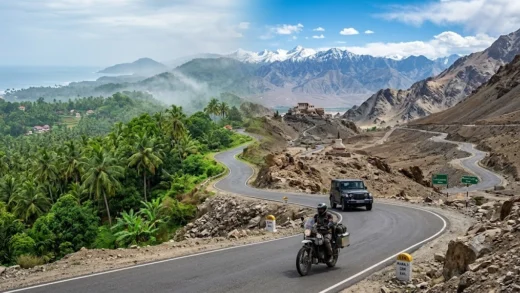
Basgo lies along the Leh–Srinagar Highway, making it easily accessible by private vehicles, taxis, and motorcycles.
By Bike
The monastery is a popular stop for bikers exploring western Ladakh, especially those visiting Alchi, Lamayuru, and Magnetic Hill.
By Taxi
Private taxis are readily available in Leh and can be hired for half-day or full-day sightseeing tours.
By Public Transport
Limited buses and shared taxis operate between Leh and nearby villages, making Basgo accessible even for budget travelers.
Distance Chart
| Destination | Distance |
|---|---|
| Leh | 40 km |
| Nubra Valley | 160 km |
| Pangong Lake | 200 km |
| Lamayuru | 85 km |
| Kargil | 180 km |
| Alchi | 18 km |
| Diskit | 155 km |
| Hanle | 300 km |
Best Time to Visit
Summer (May–September)
Summer offers pleasant temperatures, clear skies, open roads, and ideal conditions for sightseeing and photography.
Autumn (September–October)
Golden landscapes, crisp weather, and fewer crowds make autumn perfect for peaceful exploration.
Winter (November–March)
Snow-covered scenery creates magical landscapes, although freezing temperatures and occasional road closures require careful planning.
Spring (April)
Spring brings blooming vegetation, moderate weather, and quieter tourist attractions before the busy season begins.
Nearby Attractions
A visit to Basgo Monastery can easily be combined with several nearby attractions:
- Alchi Monastery
- Likir Monastery
- Magnetic Hill
- Indus-Zanskar Confluence
- Nimmoo Village
- Saspol Caves
- Lamayuru Monastery
Together, these destinations showcase some of the finest examples of Buddhist Monasteries in Ladakh and offer unforgettable experiences for history enthusiasts, photographers, and spiritual travelers.
Travel Tips
- Spend at least two days in Leh to acclimatize.
- Carry warm clothing throughout the year.
- Stay hydrated due to the high altitude.
- Wear comfortable walking shoes.
- Respect monks and worshippers.
- Keep cash for entry fees and donations.
- Mobile network coverage is limited outside Leh.
- ATMs are mostly available in Leh.
- Follow photography restrictions inside temples.
- Help preserve this historic site by avoiding littering.
Lesser-Known Facts About Basgo Monastery
- Basgo once served as the capital of the Namgyal Kingdom.
- It houses one of the tallest clay Buddha statues in Ladakh.
- UNESCO-supported restoration projects have helped preserve its priceless murals.
- The fortress successfully resisted several historic invasions.
- Its combination of palace, fortress, and monastery is unique in Ladakh.
- The monastery’s reddish cliffs create one of the region’s most dramatic landscapes.
- Ancient royal residences still stand beside the temple complex.
Why You Should Visit Basgo Monastery
Basgo Monastery offers a unique blend of history, spirituality, architecture, and breathtaking Himalayan scenery. Whether you’re interested in Buddhist heritage, royal history, ancient art, or landscape photography, the monastery provides an unforgettable experience. Its magnificent Maitreya Buddha, historic fortress, vibrant murals, and peaceful atmosphere make it one of the most rewarding destinations in Ladakh Tourism. For anyone exploring the Monasteries in Ladakh, Basgo is an essential stop that perfectly captures the region’s rich cultural legacy.
Frequently Asked Questions
1. Where is Basgo Monastery located?
Basgo Monastery is located in Basgo Village, approximately 40 km west of Leh on the Leh–Srinagar Highway.
2. What is Basgo Monastery famous for?
It is famous for its giant Maitreya Buddha statue, ancient fortress, royal palace ruins, and centuries-old murals.
3. Is there an entry fee?
Yes, visitors usually pay a nominal entry fee of around ₹30–₹50.
4. How long does a visit take?
Most visitors spend 1.5 to 2 hours exploring the monastery and fortress complex.
5. Is photography allowed?
Photography is generally permitted outdoors, while permission may be required inside the temples.
6. What is the best season to visit?
Summer, from May to September, offers the best weather and road conditions.
7. Is Basgo Monastery suitable for families?
Yes, it is suitable for visitors of all ages, though some uphill walking is required.
8. Are guides available?
Yes, local guides are often available to explain the monastery’s fascinating history and architecture.
9. Can Basgo be combined with other sightseeing destinations?
Yes, visitors often combine Basgo with Alchi, Likir, Magnetic Hill, Nimmoo, and the Indus-Zanskar Confluence.
10. Why is Basgo Monastery important?
Basgo Monastery represents Ladakh’s royal history, Buddhist heritage, and artistic excellence, making it one of the region’s most culturally significant monasteries.
Conclusion
Basgo Monastery is much more than an ancient Buddhist monastery—it is a living monument to Ladakh’s royal legacy, spiritual traditions, and architectural brilliance. From its majestic hilltop fortress and towering Maitreya Buddha to its priceless murals and panoramic Himalayan views, every corner tells a story that has endured for centuries. Whether you’re creating the ultimate Ladakh Travel Guide, exploring the finest Monasteries in Ladakh, or simply searching for unforgettable Things to Do in Ladakh, Basgo Monastery promises an enriching journey through one of India’s most extraordinary cultural treasures.