

Introduction
Among the lesser-known yet culturally significant monasteries in Ladakh, Choglamsar Monastery occupies a special place. Located in the vibrant settlement of Choglamsar near Leh, this Buddhist Monastery in Ladakh serves as an important center for Tibetan Buddhist learning, religious practice, and cultural preservation.
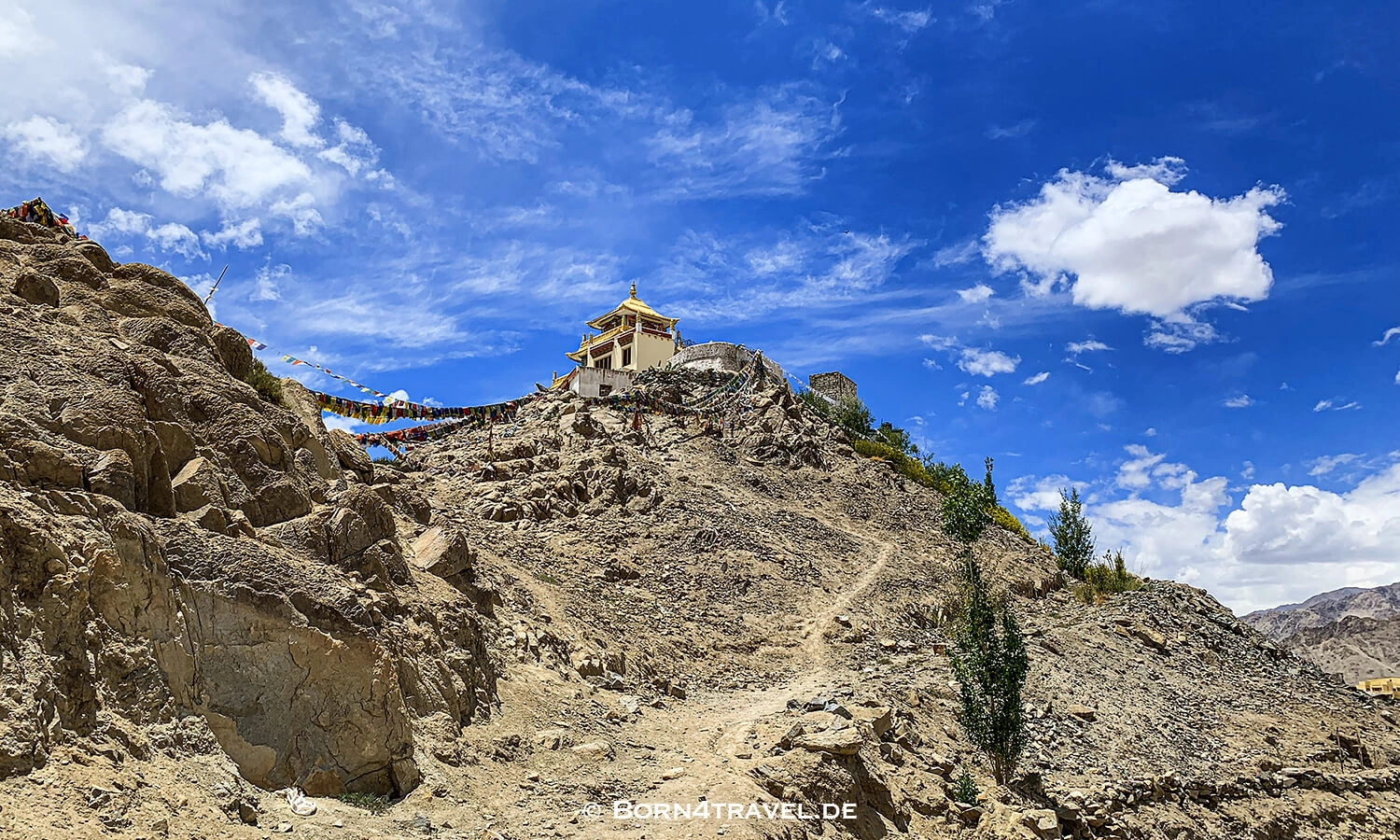
Unlike many ancient hilltop monasteries in Ladakh, Choglamsar Monastery reflects the modern history of Tibetan Buddhism in the Himalayas. It became a spiritual refuge for Tibetan communities who settled in Ladakh following the events of the mid-20th century. Today, visitors can experience authentic monastic life, peaceful prayer ceremonies, and a deep connection to Tibetan culture.
For travelers seeking a meaningful Ladakh Travel Guide beyond the famous tourist circuit, Choglamsar Monastery offers a unique blend of spirituality, history, and cultural heritage.

 6°C
6°C
- Temperature
- Rain Chance
- Wind


| Detail | Information |
|---|---|
| Location | Choglamsar Village, near Leh, Ladakh, India |
| District | Leh District |
| Altitude | Approximately 3,500 meters (11,483 ft) |
| Founded | Mid-20th Century |
| Buddhist School | Primarily Tibetan Buddhist traditions, including Gelug influences |
| Founder | Established by Tibetan Buddhist masters and refugee communities after the Tibetan diaspora |
| Best Time to Visit | May to September |
| Entry Fee | Generally Free |
| Timings | 6:00 AM – 6:00 PM (may vary during festivals) |
| Photography Rules | Allowed in most outdoor areas; restrictions may apply inside prayer halls |
| Nearby Attractions | Leh Palace, Shanti Stupa, Thiksey Monastery, Shey Palace, Hall of Fame |
| Distance from Leh | Approximately 8 km |
History of Choglamsar Monastery
Founding History
Choglamsar emerged as an important Tibetan settlement after many Tibetan refugees arrived in Ladakh during the late 1950s and early 1960s. The monastery was established to provide a spiritual center for the growing Buddhist community.
Founder and Lineage
The monastery developed under the guidance of respected Tibetan Buddhist teachers and monastic leaders who sought to preserve traditional Buddhist teachings and rituals in exile. It maintains strong connections with Tibetan Buddhist institutions across India.
Important Historical Events
- Establishment of Tibetan refugee settlements in Ladakh.
- Development of educational institutions for young monks.
- Preservation of Tibetan language, scriptures, and rituals.
- Growth into a center for Buddhist studies and cultural activities.
Role in Ladakh’s Buddhist Heritage
Choglamsar Monastery has played a crucial role in maintaining Tibetan Buddhist traditions while contributing to Ladakh’s diverse religious landscape. It serves as a bridge between ancient Himalayan Buddhism and contemporary spiritual life.
Legends and Folklore
Local stories speak of revered monks who meditated in the area and blessed the valley. Residents believe that prayers offered here bring peace, wisdom, and protection to travelers crossing the high mountain regions.
Architecture and Design
Exterior Architecture
The monastery features traditional Tibetan architectural elements with whitewashed walls, colorful wooden windows, golden rooftop ornaments, and prayer flags fluttering against the Himalayan sky.
Prayer Halls
Large assembly halls contain rows of prayer cushions, sacred texts, and elaborately decorated altars used for daily chanting ceremonies.
Ancient Murals
The walls showcase vibrant Buddhist paintings depicting:
- The life of Buddha
- Bodhisattvas
- Wheel of Life imagery
- Protective deities
Thangkas
Beautiful hand-painted thangkas adorn the interiors, illustrating Buddhist cosmology and important spiritual figures.
Statues
Visitors can see:
- Shakyamuni Buddha
- Avalokiteshvara (Chenrezig)
- Guru Padmasambhava
- Tsongkhapa and other Tibetan masters
Monastery Layout
The complex includes:
- Main temple
- Assembly hall
- Residential quarters
- Courtyards
- Meditation rooms
- Educational facilities
Unique Artistic Elements
The monastery preserves Tibetan artistic traditions through detailed woodwork, ceremonial masks, ritual instruments, and handcrafted decorations.
Restoration Efforts
Ongoing maintenance and restoration projects help preserve murals, scriptures, and monastery structures for future generations.
Religious Significance
Buddhist Traditions Practiced
The monastery follows Tibetan Buddhist traditions emphasizing:
- Meditation
- Compassion
- Monastic discipline
- Scriptural study
- Ritual ceremonies
Important Deities
Key figures worshipped include:
- Buddha Shakyamuni
- Avalokiteshvara
- Tara
- Guru Rinpoche
- Mahakala
Spiritual Importance
The monastery serves as a place for prayer, meditation, education, and preservation of Buddhist teachings.
Monastic Life
Resident monks spend their days studying scriptures, performing rituals, teaching students, and participating in community activities.
Daily Rituals
Typical daily practices include:
- Morning prayers
- Scripture recitations
- Meditation sessions
- Butter lamp offerings
- Evening chanting
What to See Inside the Monastery
Main Temple
The heart of the monastery contains sacred statues and beautifully decorated shrines.
Assembly Hall
Witness monks conducting prayers and chanting ancient Buddhist scriptures.
Buddha Statues
Large and intricately crafted Buddha statues are among the highlights.
Murals
Detailed paintings offer insight into Buddhist philosophy and mythology.
Libraries
The monastery preserves collections of sacred Buddhist texts and manuscripts.
Courtyards
Open spaces host religious gatherings and festival celebrations.
Viewpoints
Visitors enjoy scenic views of:
- Indus Valley
- Leh surroundings
- Stok Range mountains
Sacred Relics
Certain areas contain religious relics and ceremonial objects important to local Buddhist traditions.
Festivals Celebrated at Choglamsar Monastery
Losar (Tibetan New Year)
Date: February–March
Highlights:
- Special prayers
- Community gatherings
- Traditional performances
- Ritual offerings
Monlam Prayer Festival
Date: Winter season
Highlights:
- Collective prayers
- Chanting ceremonies
- Teachings by senior monks
Buddha Purnima
Date: May
Highlights:
- Processions
- Butter lamp offerings
- Religious teachings
Cultural Importance
These festivals help preserve Tibetan culture and strengthen community bonds.
Visitor Experience
Travelers can witness colorful ceremonies, traditional music, sacred rituals, and authentic Buddhist celebrations.
Things to Do at Choglamsar Monastery
- Attend morning prayer ceremonies.
- Observe traditional monastic life.
- Explore Buddhist artwork and murals.
- Learn about Tibetan culture.
- Meditate in peaceful surroundings.
- Photograph monastery architecture.
- Interact respectfully with monks.
- Combine the visit with nearby monasteries in Ladakh.
- Enjoy panoramic views of the Indus Valley.
- Experience local cultural events.
Photography Guide
Best Photo Spots
- Main monastery entrance
- Prayer flag-lined pathways
- Temple courtyards
- Rooftop viewpoints
Sunrise Photography
Early morning light creates dramatic contrasts against the mountains and monastery structures.
Sunset Photography
Golden-hour lighting beautifully illuminates the monastery and surrounding valley.
Drone Regulations
Drone usage generally requires prior permission from local authorities due to security regulations in Ladakh.
Photography Etiquette
- Ask permission before photographing monks.
- Respect restricted areas.
- Avoid flash photography near sacred objects.
- Remain quiet during ceremonies.
How to Reach Choglamsar Monastery
By Air
The nearest airport is Leh’s Kushok Bakula Rimpochee Airport, approximately 10 km away.
By Road
Choglamsar is connected to Leh by a well-maintained road and can be reached within 15–20 minutes.
By Bike
Motorbike enthusiasts can easily include Choglamsar in their Leh sightseeing itinerary.
By Taxi
Taxis are readily available from Leh town and airport.
By Public Transport
Local buses and shared taxis frequently connect Leh and Choglamsar.
Distance Chart
| Destination | Distance from Choglamsar Monastery |
|---|---|
| Leh | 8 km |
| Nubra Valley | 125 km |
| Pangong Lake | 165 km |
| Lamayuru | 120 km |
| Kargil | 225 km |
| Alchi | 70 km |
| Diskit | 125 km |
| Hanle | 255 km |
Best Time to Visit
Summer (May–August)
Advantages
- Pleasant weather
- Clear roads
- Active monastery life
Challenges
- Peak tourist season
Autumn (September–October)
Advantages
- Beautiful landscapes
- Fewer crowds
- Excellent photography
Challenges
- Cooler nights
Winter (November–February)
Advantages
- Snow-covered scenery
- Peaceful atmosphere
Challenges
- Extremely cold temperatures
Spring (March–April)
Advantages
- Blooming surroundings
- Moderate visitor numbers
Challenges
- Variable weather conditions
Nearby Attractions
Thiksey Monastery
One of the most iconic monasteries in Ladakh featuring a towering Maitreya Buddha statue.
Shey Palace
Former royal residence offering historical significance and panoramic views.
Shanti Stupa
A major Buddhist landmark overlooking Leh.
Leh Palace
An impressive historic palace reflecting Ladakh’s royal heritage.
Hall of Fame Museum
A fascinating museum showcasing Ladakh’s military and cultural history.
Stok Palace
A living royal residence with a museum and cultural exhibits.
Travel Tips
Acclimatization
Spend at least 24–48 hours acclimatizing in Leh before engaging in extensive sightseeing.
Clothing
Carry layered clothing as temperatures can change rapidly.
Respectful Behavior
Dress modestly and maintain silence inside prayer halls.
Donations
Voluntary donations help support monastery maintenance.
Photography Restrictions
Always follow instructions from monastery authorities.
Mobile Network
BSNL, Jio, and Airtel generally provide coverage in the area.
ATM Availability
ATMs are available in Leh but may be limited elsewhere.
Lesser-Known Facts About Choglamsar Monastery
- It is closely connected to Ladakh’s Tibetan refugee community.
- The monastery serves both religious and educational functions.
- Many cultural preservation initiatives operate from Choglamsar.
- It plays a significant role in safeguarding Tibetan Buddhist traditions in exile.
- The surrounding settlement is one of Ladakh’s most important Tibetan cultural centers.
Why You Should Visit Choglamsar Monastery
Unlike some of the more crowded monasteries in Ladakh, Choglamsar Monastery offers an intimate and authentic spiritual experience. Visitors gain insight into Tibetan Buddhist culture, observe daily monastic life, and enjoy peaceful surroundings close to Leh. Its historical significance, cultural richness, and welcoming atmosphere make it a rewarding destination for anyone interested in Ladakh Tourism, spirituality, or Himalayan heritage.
Frequently Asked Questions
1. Where is Choglamsar Monastery located?
It is located in Choglamsar village, approximately 8 km southeast of Leh in Ladakh.
2. Is there an entry fee?
Generally, visitors can enter free of charge, though donations are appreciated.
3. Which Buddhist tradition does the monastery follow?
It follows Tibetan Buddhist traditions with strong links to Tibetan monastic communities.
4. How much time should I spend here?
Most visitors spend 1–2 hours exploring the monastery.
5. Can I attend prayer ceremonies?
Yes, visitors may observe prayers if conducted respectfully.
6. Is photography allowed inside the monastery?
Photography is allowed in many areas, but some prayer halls may have restrictions.
7. What is the best season to visit?
May to September offers the most comfortable weather conditions.
8. Can the monastery be visited as a day trip from Leh?
Yes, it is one of the easiest day trips from Leh.
9. Are guides available?
Local guides can often be arranged through travel operators in Leh.
10. Why is Choglamsar important in Ladakh?
It preserves Tibetan Buddhist traditions, supports monastic education, and serves as a major cultural center for the Tibetan community in Ladakh.
Conclusion
Choglamsar Monastery stands as a remarkable symbol of resilience, faith, and cultural preservation in Ladakh. While many travelers focus on the region’s ancient hilltop monasteries, this important Buddhist Monastery in Ladakh offers a deeper understanding of the living traditions that continue to shape Himalayan Buddhism today. Whether you are exploring monasteries in Ladakh, seeking spiritual experiences, or creating the perfect Ladakh Travel Guide itinerary, Choglamsar Monastery deserves a place on your journey through the enchanting landscapes of Ladakh.